
Do dental implants hurt Everything you need to know
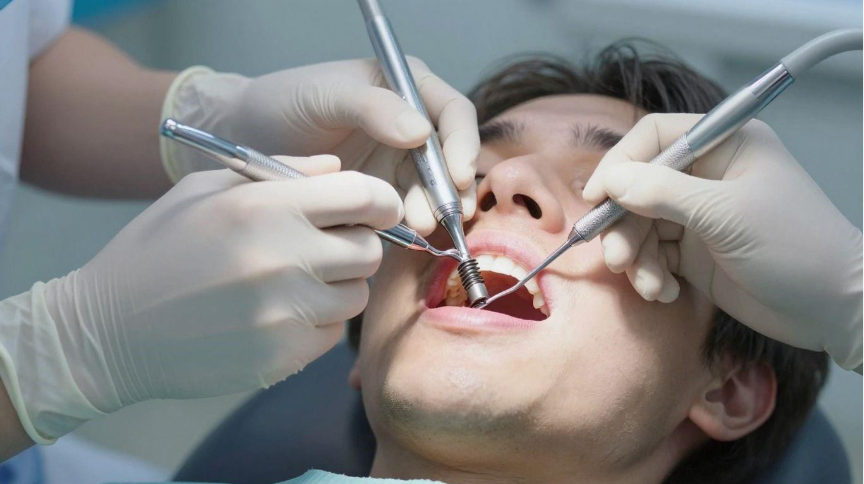
Thinking about dental implants to replace missing teeth? It's a common question many people have: do dental implants hurt? It's understandable to be a little worried about any dental procedure, especially one involving surgery. But the good news is, with today's dental advancements, getting implants is often much more comfortable than people expect. Let's break down what you can expect regarding pain during and after the dental implant process.
Key Takeaways
- Most patients report that the dental implant procedure itself doesn't hurt because the area is numbed with local anesthesia. Some pressure or vibration might be felt, but not actual pain.
- After the procedure, some soreness and swelling are normal, similar to having a tooth extracted. This discomfort usually peaks within 2-3 days and starts to improve.
- The duration of post-implant discomfort is typically short-lived, with most significant soreness fading within 3-5 days and most symptoms gone within a week.
- Factors like the complexity of the surgery, individual pain tolerance, and how well post-operative instructions are followed can influence how much discomfort is experienced.
- While there might be temporary discomfort, dental implants are a worthwhile investment for a long-lasting, natural-looking smile, and once healed, they are generally pain-free.
Does the Dental Implant Procedure Hurt During Treatment?
It's completely normal to wonder, "Do dental implants hurt?" especially when you're considering a significant dental procedure. The good news is that during the actual dental implant surgery, you shouldn't feel any pain. This is because the area being worked on is thoroughly numbed with a local anesthetic. You might feel some pressure or vibrations as the dentist works, but actual pain sensations are avoided. For those who experience significant anxiety, sedation options are often available to help you relax throughout the process.
Most patients find that the discomfort experienced is comparable to having a tooth extracted. The surgery itself involves placing a small titanium post into your jawbone, which acts as an artificial tooth root. While the procedure is designed to be as comfortable as possible, it's still a surgical intervention. The primary discomfort typically arises after the anesthesia wears off.
Here's a general idea of what to expect regarding pain during the procedure:
- Anesthesia: Local anesthetic is administered to ensure the surgical site is completely numb.
- Sensations: You may feel pressure or vibrations, but not sharp pain.
- Anxiety Management: Sedation options can be discussed if you're particularly nervous.
It's important to remember that the goal is to make the procedure as pain-free as possible. Your dental professional will focus on your comfort throughout the treatment. Understanding the steps involved can help demystify the process and ease any worries you might have about dental implant surgery.
What to Expect After Dental Implant Surgery
After the dental implant procedure, it's normal to experience some discomfort, though it's usually quite manageable. Many patients find the post-operative soreness to be similar to what they might feel after a tooth extraction. You might notice some swelling in your gums and possibly your cheeks, which typically subsides within a few days. A little bit of bleeding is also common in the first 24 hours.
Most discomfort peaks within the first 2 to 3 days and then gradually starts to ease up. By the end of the first week, many people feel significantly better, and their mouth returns to a more normal feeling. It's important to follow your dentist's specific instructions for care, as this plays a big role in how comfortable you are and how well you heal.
Here’s a general idea of what the recovery timeline might look like:
- First 24-48 hours: Expect some soreness and swelling. Using cold compresses can help manage this; try applying them for 20 minutes on and 20 minutes off to reduce swelling and discomfort Manage pain after dental implant surgery.
- 3-5 days: This is often when discomfort is at its peak, but it should begin to lessen each day.
- 7-10 days: Most of the initial symptoms, like soreness and swelling, should have resolved.
- 2-6 months: This is the period for osseointegration, where the implant fuses with your jawbone. You shouldn't experience any pain during this time.
To help with your recovery, sticking to a soft diet is recommended for the first few days. Think smoothies, yogurt, mashed potatoes, and soups. Avoid anything hard, crunchy, spicy, or sticky that could irritate the surgical site. Maintaining good oral hygiene is also key; gently rinse with warm salt water after the first 24 hours and avoid brushing the implant area too vigorously until your dentist says it's okay. Rest is also important, so try to avoid strenuous activities for the first couple of days.
Remember that everyone's healing process is a bit different. If you experience severe pain, persistent swelling, or any other concerning symptoms that don't seem to be improving after a week or so, it's always best to get in touch with your dental professional.
How Dental Implant Pain Compares to Other Dental Procedures
It's natural to wonder how the discomfort from a dental implant procedure stacks up against other common dental work. Many people find that the pain associated with getting a dental implant is actually less than they anticipated, and often comparable to, or even less than, a tooth extraction.
Think about it this way: any surgical procedure, even a minor one, involves some level of trauma to the body. Dental implants are no different. However, modern dentistry has made huge strides in managing pain both during and after these procedures.
Here's a general comparison:
- Tooth Extraction: This can often involve significant discomfort, especially for impacted or difficult-to-remove teeth. The healing process can also be quite tender.
- Root Canal Therapy: While the procedure itself is done under anesthesia, the infection that necessitates it can cause significant pain beforehand. Some lingering soreness after the procedure is also possible.
- Dental Implant Surgery: During the surgery, local anesthesia means you shouldn't feel any pain. Afterward, most patients report mild to moderate soreness, similar to what you might feel after a tooth extraction, which is usually well-managed with over-the-counter pain relievers.
The key difference often lies in the predictability and manageability of the pain. While a toothache might be a constant, throbbing pain that's hard to control, the discomfort following an implant procedure is typically temporary and responds well to medication and proper care.
While the idea of surgery might sound intimidating, the pain experienced after dental implant placement is generally mild and short-lived for most individuals. It's a manageable discomfort that leads to a long-term solution for missing teeth.
Factors That Influence Comfort and Recovery
Several things can play a role in how comfortable you feel during and after your dental implant procedure. It's not just about the surgery itself; your overall health and how you take care of yourself afterward make a big difference.
Your general health is a significant factor. Conditions like uncontrolled diabetes or active gum disease can affect healing. If you're a smoker, this can also slow down recovery. It's important to discuss your health history thoroughly with your dental professional so they can tailor your treatment plan and provide the best advice for your specific situation.
Here are some key elements that influence your comfort and recovery:
- The Skill of Your Dental Team: Choosing a dental professional with experience in implant procedures is really important. A skilled team can make the process smoother and help manage any discomfort effectively.
- Your Individual Health: As mentioned, pre-existing health conditions and lifestyle choices, like smoking, can impact how your body heals.
- Following Post-Operative Instructions: This is huge. Your dentist will give you specific guidelines for aftercare. Sticking to these instructions, which often include dietary recommendations and hygiene practices, is vital for a good recovery.
- Pain Management: Your dentist will likely recommend or prescribe pain medication. Taking this as directed can significantly help manage any soreness.
- Rest and Activity Levels: Giving your body adequate rest, especially in the first few days, allows it to focus on healing. Avoiding strenuous activities can prevent increased swelling or complications.
The recovery period is generally manageable, with most discomfort subsiding within a week. Paying attention to your body and following your dentist's guidance are the best ways to ensure a smooth healing process.
What you eat also matters. For the first few days, sticking to soft foods like yogurt, smoothies, or mashed potatoes is recommended. This prevents irritation to the surgical site and makes eating easier. As you heal, you can gradually reintroduce more solid foods, but always follow your dentist's advice on when it's safe to do so.
Dental Implants and the Treatment Process
Getting dental implants involves a few key steps, and understanding them can help ease any worries about the process. It's not just about placing a screw in your jaw; it's a carefully planned procedure designed to give you a stable, long-lasting replacement for missing teeth.
First, the implant itself, usually a small titanium post, is placed directly into the jawbone. Think of this as the new root for your tooth. This part is done with local anesthesia, so you won't feel pain during the procedure itself, though you might feel some pressure. After this initial placement, there's a healing period. This is where the magic of osseointegration happens – your jawbone actually fuses with the titanium implant, creating a super strong foundation. This can take a few months.
Once the implant is firmly integrated, a small connector piece called an abutment is attached. This is what the final artificial tooth, or crown, will connect to. Sometimes, this can be done in the same surgery as the implant placement, or it might be a separate, minor procedure. Finally, the custom-made crown is attached to the abutment, completing your new tooth.
Here's a general breakdown of the stages:
- Implant Placement: The titanium post is surgically placed into the jawbone.
- Osseointegration: The jawbone heals and fuses with the implant over several months.
- Abutment Placement: A connector piece is attached to the implant.
- Crown Placement: The artificial tooth is secured to the abutment.
The entire process is designed to be as comfortable as possible, with pain management being a top priority at each stage. While there's a healing period involved, the goal is to restore not just your smile, but also your ability to eat and speak normally, and to prevent further bone loss in your jaw.
So, Do Dental Implants Hurt?
When all is said and done, the idea of dental implants might sound a bit intimidating, but the reality is usually much less concerning than people think. Most patients find that the procedure itself is quite comfortable, thanks to numbing medications. Afterward, some soreness is normal, kind of like after getting a tooth pulled, but it typically fades within a few days and can be managed with over-the-counter pain relief. Following your dentist's aftercare instructions is key to a smooth recovery. Ultimately, the long-term benefits of implants – a restored smile, better chewing, and improved confidence – usually far outweigh any temporary discomfort experienced during the process.
Frequently Asked Questions
- Will getting a dental implant hurt during the procedure?
Most patients don't feel pain during the dental implant procedure itself. This is because the dentist uses a local anesthetic to completely numb the area where the implant will be placed. While some patients might feel a bit of pressure or a slight vibration, actual pain is very rare. For those who feel anxious, sedation options are also available to help them relax. - What kind of pain should someone expect after the dental implant surgery?
After the anesthesia wears off, it's normal to experience some mild soreness or tenderness in the area where the implant was placed. This discomfort is usually manageable and often compared to the feeling after having a tooth pulled. Swelling and slight bleeding for the first day are also common. - How long does the discomfort from dental implants usually last?
The discomfort typically starts to get better within a few days after the surgery. Most people find that the soreness peaks around day 2 or 3 and then gradually fades. By the end of the first week, many patients feel significantly better, and most symptoms are gone. - How can someone manage pain after getting a dental implant?
To help with any discomfort, dentists often suggest taking over-the-counter pain relievers like ibuprofen or acetaminophen. Using ice packs on the cheek can help reduce swelling and numb the area. Eating soft foods for the first few days and rinsing gently with warm salt water are also recommended to aid healing and keep the area clean. - How does the pain from dental implants compare to other dental work?
Many patients find that the discomfort from getting a dental implant is actually less than they expected, and often comparable to or even less than having a tooth extracted. While any surgery involves some healing and potential for soreness, modern techniques and anesthesia make the implant process quite comfortable. - When can someone expect to feel completely normal after dental implant surgery?
While discomfort usually lessens significantly within a week, it can take a bit longer for the surgical site to feel completely normal, especially when chewing. Most patients report feeling back to their usual selves within one to two weeks, provided they follow their dentist's aftercare instructions.
Blog Post Author

Contributed by DentalROI
DentalROI provides relevant dental content to help providers educate patients. The statements, services, and products referenced in this article have not been evaluated by the Food and Drug Administration, and they are not intended as a substitute for professional medical advice, diagnosis, or treatment. Always seek the advice of your dental provider with any questions or issues you may have. Specific recommendations may vary in different circumstances, so individual consultation is important.