
Full Mouth Dental Implants: What's Involved in the Process?
Understanding Full Mouth Dental Implants
Full mouth dental implants replace a complete arch of missing or failing teeth with a restoration anchored to dental implants. The process is more involved than simply ordering a set of dentures because the dentist must assess your health, plan the implant positions, and design teeth that fit your bite and appearance. Treatment may involve one or both arches, depending on which teeth need replacement. A careful plan helps make the result functional as well as natural-looking.
What Full Mouth Dental Implants Are
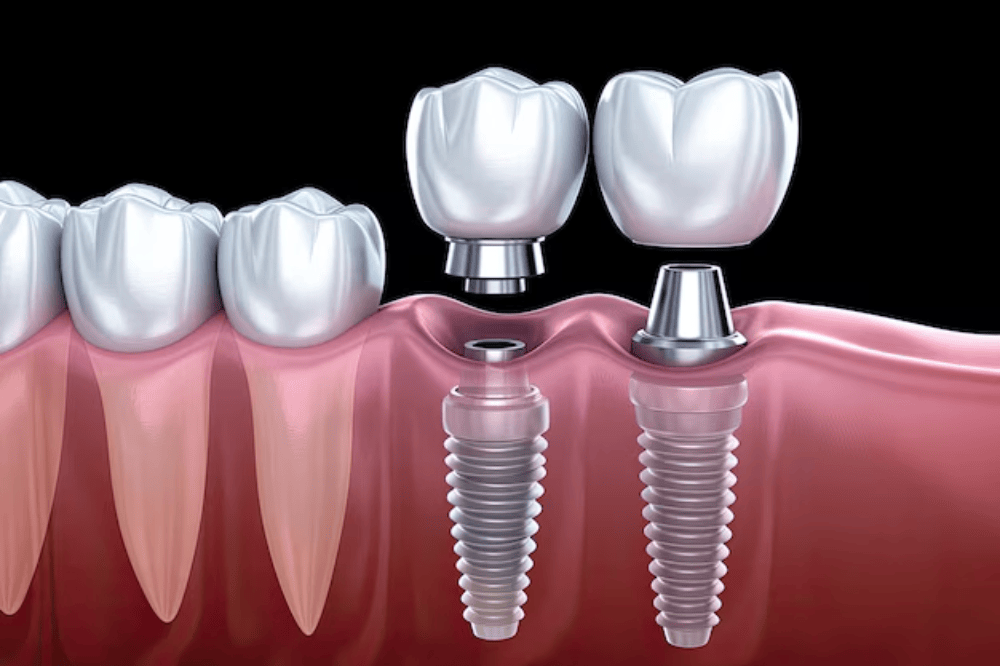
A dental implant is a small post placed in the jawbone to act as an artificial tooth root. After healing, it can support a crown, bridge, or denture. With full mouth treatment, several implants are positioned to support a complete set of replacement teeth rather than placing one implant for every missing tooth. The final restoration may be fixed in place or designed to be removable, depending on your anatomy, preferences, oral health, and treatment plan.
Traditional dentures rest on the gums and may shift during eating or speaking, particularly if the shape of the jaw changes over time. Implant-supported teeth are anchored to implants, which can improve stability and give you a more secure chewing surface, though they still require care and are not indestructible. You will need regular dental visits and a daily cleaning routine tailored to the type of restoration you receive.
The Main Full-Mouth Treatment Options
The broad choices usually include fixed bridges supported by implants, removable implant-supported dentures like our All-on-4 option, or individual restorations in cases where some natural teeth can be preserved. A fixed bridge does not come out at home, while a removable option can be taken out for cleaning.
The right choice depends on bone support, gum health, the condition of remaining teeth, and your priorities. Your dentist may also discuss whether treatment is needed in the upper jaw, lower jaw, or both, since these areas often have different bone shapes and may require different implant positions.
There is no universal number of implants for every full-mouth case. The number depends on the arch being treated, available bone, the planned restoration, and the forces created by your bite. A scan and examination are needed before anyone can give you a reliable estimate, so treat a number quoted without an examination as a general possibility, not a personal treatment recommendation.
Finding Out Whether You're a Candidate
Being a candidate for full mouth dental implants is not determined by missing teeth alone. Your dentist will consider your mouth, general health, medications, healing capacity, and ability to maintain the restoration. Some conditions can be treated or stabilized first, so an initial concern does not always rule out implants.
The evaluation begins with a medical and dental history, an examination of your teeth and gums, and a conversation about your symptoms and goals, along with your ability to attend follow-up visits and maintain daily hygiene.
Implants need adequate bone support and healthy surrounding tissues. When teeth have been missing for a long time, the jawbone may have become narrower or shorter, and gum disease can also damage the tissues that support teeth and implants. Tell your dental team about every prescription medicine, supplement, and over-the-counter product you take,
since conditions such as diabetes, osteoporosis, immune disorders, or a history of radiation treatment may affect planning. Implants can provide stable replacement teeth, but they do not behave exactly like natural teeth, so it helps to discuss what you want to improve—chewing, speech, appearance, comfort, or all four—so the dental team can explain which goals are realistic.
Planning Your Personalized Treatment
Planning turns a general idea into a sequence of appointments and decisions. At the first consultation, you will usually discuss your dental history and concerns before receiving a detailed examination of remaining teeth, gum tissues, your bite, jaw joints, facial proportions, and the way you speak and smile. Bring a list of medications and questions, and you should leave with a clearer understanding of which teeth can be saved, which may need removal, and what further testing is required.
X-rays and three-dimensional scans help show the bone, roots, nerves, sinuses, and other structures that cannot be judged from the mouth alone, and digital impressions record the shape of the gums and remaining teeth.
This information is combined to plan implant placement and design the temporary and final teeth, which may be crowns, a bridge, or an implant-supported denture. Ask for a written outline of what is included in the proposed fee, since an estimate may change if you need extractions, grafting through our bone grafting services, treatment for gum disease, sedation, or a different final restoration:
| Treatment Element | What It May Include | Why It Matters |
|---|---|---|
| Preparation | Extractions, gum treatment, or grafting | Addresses problems before implant placement |
| Surgical stage | Implant placement and related visits | Establishes support for the restoration |
| Temporary stage | Provisional teeth during healing | Provides function while tissues heal |
| Final stage | Permanent crowns, bridge, or denture | Completes the planned restoration |
The estimate should also explain which appointments, adjustments, repairs, and follow-up services are included. Comparing complete plans is more useful than comparing a single advertised implant price.
Preparing Your Mouth for Implant Surgery
Preparation may take a few weeks or several months, depending on the condition of your teeth and jawbone. The aim is to remove infection, improve tissue health, and create a stable foundation for implants.
Active gum disease and dental infections should generally be addressed first through professional cleaning, periodontal therapy, root canal treatment, medication, or a change in home-care habits, since continuing to smoke or neglect oral hygiene can make healing more difficult.
Some teeth can be restored, while others are too damaged, loose, or infected to keep, and removing them may be part of the implant plan. Bone grafting may be suggested when the jaw does not have enough volume or density for the planned implant positions, and in the upper back jaw, a sinus lift may be considered if the sinus is too close to the available bone.
Temporary teeth can help you speak, smile, and manage daily activities while the implants heal; because they are not always as strong or precisely fitted as permanent ones, your dentist may recommend softer foods and careful chewing. Arrange transportation if sedation is planned, fill prescribed medicines beforehand, stock softer foods, and follow instructions about eating, smoking, and oral hygiene.
Going Through the Implant Placement Process
Implant surgery is planned around your scans, medical history, and chosen restoration. On the day of surgery, the team will confirm the treatment plan and provide local anesthetic, with sedation or another form of anesthesia if appropriate. The dentist accesses the bone, prepares the implant sites, and places the implants according to the surgical plan.
The upper and lower jaws differ in bone structure, available space, and nearby anatomy, so the number and position of implants are selected to support the planned teeth while avoiding important structures such as nerves and the sinus cavities. If both arches are treated, the dentist may complete them together or stage the procedures.
Tenderness, swelling, bruising, and mild bleeding can occur after surgery and should gradually improve over the first few days. Use medicines only as directed, and contact the dental office if pain worsens or bleeding is difficult to control. If temporary teeth are part of your plan, they may be placed on the day of surgery or after an initial healing period, and they may need adjustments as swelling changes and your bite settles. Excessive pressure on healing implants can interfere with recovery, so follow the dietary restrictions you are given.
Recovering and Completing the Restoration
Implants need time to become firmly integrated with the surrounding bone, and the healing period varies according to bone quality, implant location, whether grafting was performed, and your general health. A lack of pain does not automatically mean the implant is ready for final loading, so keep scheduled appointments even when recovery feels easy.
Follow-up visits may include an examination of the gums, an evaluation of the temporary restoration, and checks for movement, inflammation, or bite problems, and small adjustments are often easier to make before the final restoration is completed.
Once healing is adequate, the dental team records the position of the implants and the shape of your mouth for the final teeth, and you may have a try-in appointment to review tooth shape, shade, gum contours, and bite before the restoration is finished. A finished restoration should be checked for speech, chewing, comfort, hygiene access, and appearance, and your dentist may make minor adjustments to the bite or smooth areas that feel uncomfortable. Give yourself time to adapt, since new teeth can feel different against the tongue and cheeks, and report persistent soreness, looseness, or difficulty cleaning rather than ignoring it.
Understanding the Timeline, Costs, and Long-Term Care
Full mouth dental implants are a process rather than a single appointment. Some patients can move through treatment in a few months, while others need a longer sequence because of infection, bone grafting, medical considerations, or staged surgery, with the healing period before the final teeth are attached often being the most time-consuming part.
Ask for a stage-by-stage schedule rather than one broad promise, and ask whether the quoted amount includes diagnostics, provisional teeth, sedation, maintenance visits, and repairs.
Dental insurance may cover some parts of treatment, such as examinations, extractions, or certain restorations, but coverage varies widely, so request a written pre-treatment estimate and review any financing terms carefully before agreeing to them.
Implants do not decay like natural teeth, but the gums and bone around them can become inflamed, so brush as directed, clean under and around the restoration with the recommended tools, and attend regular examinations and professional cleanings. Report bleeding, swelling, bad taste, looseness, or changes in your bite promptly, since long-term success depends on ongoing care, not simply on completing surgery. To find out whether this treatment fits your situation, visit our Contact page or review our financial information to plan ahead.
Conclusion
Full mouth dental implants involve diagnosis, preparation, surgery, healing, and careful restoration—not just the placement of artificial teeth. A thorough evaluation helps determine whether implants are appropriate, while detailed planning clarifies the timeline, cost, temporary phase, and long-term maintenance. If you are considering treatment, begin with a consultation that gives you room to ask questions and understand every stage before making a decision.
Frequently Asked Questions
Are full mouth dental implants the same as getting one implant for every tooth?
No. Full mouth treatment often uses several strategically placed implants to support a complete arch of replacement teeth. The number depends on your bone, bite, health, and chosen restoration.
Can I get implants if I have gum disease?
Possibly, but active gum disease usually needs to be treated or controlled first. Your dentist will assess the condition of your gums and bone before deciding whether implant surgery is appropriate.
Will I have teeth while my implants heal?
Many treatment plans include temporary replacement teeth, but the timing and type vary. Some people receive them during the surgical phase, while others receive them after an initial period of healing.
How painful is full mouth implant surgery?
Anesthetic is used during surgery, and soreness, swelling, or bruising can occur afterward. Your dental team will provide instructions for managing discomfort and will tell you which symptoms require a call to the office.
How long do full mouth dental implants take?
The process may take several months or longer when extractions, grafting, staged surgery, or extended healing is needed. Your personalized schedule can only be estimated after an examination and imaging.
How should implant-supported teeth be cleaned?
Clean them daily using the brushing and specialized cleaning methods recommended for your restoration. Regular dental visits are also necessary because the tissues around implants need monitoring.
Are full mouth dental implants covered by insurance?
Coverage varies by plan and may apply differently to examinations, extractions, grafting, implants, and replacement teeth. According to the American Dental Association, dental insurance plans may cover only a portion of implant costs, so ask for a written benefit estimate and review financing terms carefully.
About the Author
Washington State Prosthodontics & Dental Implant Center is located at 1370 116th Ave. NE, Ste. 212, Bellevue, WA. The practice is led by board-certified prosthodontists Dr. Russell Johnson and Dr. Michael Johnson, along with Dr. Pi Yu Hsu, who together bring extensive specialty training in full-mouth restoration, dental implants, and complex prosthodontic care to patients throughout the greater Seattle area.
Disclaimer
The information provided in this article is for educational purposes only and does not constitute professional medical or dental advice, diagnosis, or treatment recommendations. Whether full mouth dental implants are right for you can only be determined through an in-person evaluation. Always consult your dentist with any questions regarding your treatment.
Blog Post Author

Contributed by DentalROI
DentalROI provides relevant dental content to help providers educate patients. The statements, services, and products referenced in this article have not been evaluated by the Food and Drug Administration, and they are not intended as a substitute for professional medical advice, diagnosis, or treatment. Always seek the advice of your dental provider with any questions or issues you may have. Specific recommendations may vary in different circumstances, so individual consultation is important.