
How Do Screwless Dental Implants Work
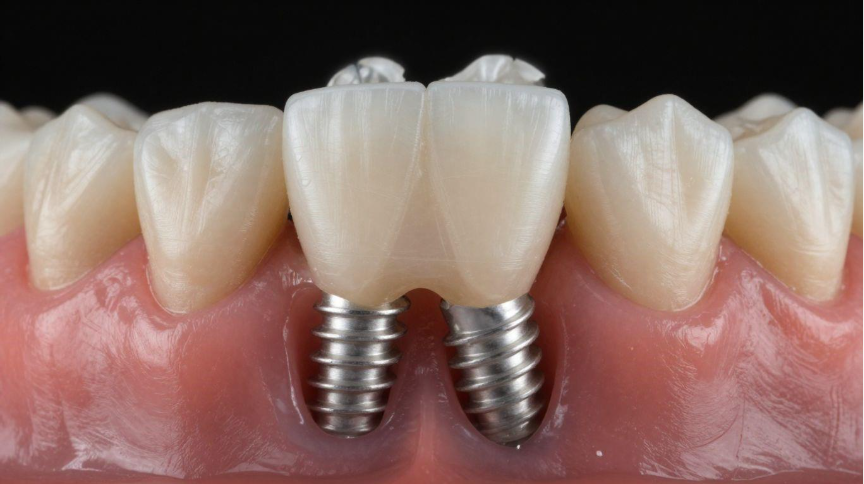
When you think about dental implants, you might picture a tiny screw holding everything in place. For a long time, that's how most of them worked. But things have changed a bit, and now there's a different way to get that confident smile back. We're talking about screwless dental implants. You might be wondering, 'how do screwless dental implants work?' and 'what are screwless implants?' Let's break down what these screwless dental implants procedure step by step and why they might be a good option for you.
Key Takeaways
- Screwless dental implants, also known as cement-retained implants, use dental adhesive instead of a screw to secure the crown to the implant post, offering a clean and natural look.
- The procedure for screwless implants is similar to traditional ones, involving implant placement, bone integration, and then attaching the crown, but without a visible screw access hole.
- These implants are a great choice for people who want a very natural appearance, especially for front teeth, as there's no visible screw hole.
- While generally safe and effective, screwless implants require a skilled dentist to avoid issues like leftover cement, which could cause irritation.
- Candidates with good oral hygiene, sufficient bone, and a desire for aesthetic results are often good fits for screwless dental implants.
What Are Screwless Dental Implants?
So, you're wondering about screwless dental implants? Basically, they're a way to replace missing teeth without using a visible screw to hold the crown in place. Think of it like this: traditional implants usually have a small screw that goes through the crown and into the implant post. This screw needs to be tightened sometimes, and you might even see a little hole where it goes in.
Screwless dental implants, often called cement-retained implants, offer a different approach. Instead of a screw, a special dental adhesive is used to bond the crown directly to the implant post, or the crown might have a very precise fit that holds it securely. This method aims for a cleaner look, especially for teeth that show when you smile. They use the same basic idea as regular implants – a post goes into your jawbone and fuses with it over time – but the way the tooth part attaches is what's different.
Are screwless dental implants safe? Yes, when they're put in and cared for properly by a dentist, studies show they are safe. They can last for many years, often just as long as implants that use screws, provided you keep up with good oral hygiene and see your dentist for checkups. It's a bit like how a well-built piece of furniture can last for ages if you take care of it.
What are screwless mini dental implants? These are just a smaller version of the screwless implant, often used for smaller teeth or in areas where there isn't a lot of bone. The principle is the same: they're held in place without a visible screw.
The main idea behind screwless implants is to create a restoration that looks and feels very natural, minimizing any visible hardware and potentially reducing issues related to screw loosening over time.
Here's a quick rundown of what makes them different:
- Attachment Method: Uses dental cement or a precise friction fit instead of a screw.
- Aesthetics: No visible screw access hole, leading to a more natural appearance.
- Maintenance: While generally stable, removal for repairs requires specialized dental tools.
- Longevity: Can last over ten years with proper care, similar to screw-retained options.
How Screwless Dental Implants Work
So, how do screwless dental implants work, exactly? It's a bit different from the traditional method you might have heard about. Instead of using a screw to hold everything together, these implants rely on a couple of other clever techniques. One common way is through a cement-retained system. After the implant post is surgically placed in your jawbone and has healed, the artificial tooth (the crown) is attached to it using a special dental adhesive. This adhesive hardens, creating a strong bond that keeps the crown firmly in place. It's a pretty straightforward process, really.
Another approach involves what's sometimes called a friction-fit or press-fit system. Think of it like a very precise puzzle piece. The abutment, which is the part that connects the implant to the crown, is designed to fit so snugly into the implant post that it creates a tight, stable seal just through pressure and friction. This method doesn't use screws or cement at all. Some designs, like a conical connection, are made to lock together so tightly they almost fuse, offering a really durable and stable result. These are often considered quite advanced.
Here's a quick look at the general screwless dental implants procedure step by step:
- Implant Placement: Just like with traditional implants, the first step is surgery to place the implant post into your jawbone. This needs time to heal and integrate with the bone.
- Abutment Attachment: The abutment is then connected to the implant post. In cement-retained systems, this might be a separate step before cementing the crown. In friction-fit systems, the abutment might be integrated or attached in a way that prepares for the crown.
- Crown Placement: Finally, the custom-made crown is attached. For cement-retained implants, this involves applying dental cement. For friction-fit types, the crown is pressed or locked onto the abutment and implant post.
The main goal is to create a stable, natural-looking tooth replacement without any visible screw holes. This can lead to a more aesthetically pleasing result, especially on the chewing surface of the tooth.
Key Advantages of Screwless Dental Implants
So, you're thinking about screwless dental implants? That's great! Many people are curious about how these work and what makes them a good option. One of the biggest draws is definitely the look. Since there's no screw hole on the chewing surface, the final result looks incredibly natural, just like your own teeth. It’s a really clean finish.
Beyond just the appearance, these implants tend to be quite stable. Think of it like a really snug fit. Some designs use a friction-fit system, where the parts lock together tightly. This can mean less worry about screws loosening over time, which is a common concern with traditional implants. It also helps create a good seal around the gum line, which can be better for keeping things clean and reducing plaque buildup. That means a healthier mouth and a more comfortable experience for you.
Here are some of the main benefits:
- Aesthetic Appeal: No visible screw access holes mean a more natural-looking smile.
- Stability: Many designs offer a very secure fit, reducing the risk of loosening.
- Hygienic Margins: A tighter seal can help limit plaque and bacteria accumulation.
- Comfort: A well-integrated implant can feel and function much like a natural tooth.
While screwless implants offer many advantages, it's important to remember that their success relies heavily on precise placement by an experienced dental professional. Any residual cement, if used, needs to be meticulously cleaned away to prevent irritation or infection.
These implants are designed to last, often for many years, with good daily care and regular dental check-ups. They really are a solid choice for many people looking to replace missing teeth.
Who May Be a Good Candidate for Screwless Dental Implants
So, who exactly is a good fit for these screwless dental implants? It's not a one-size-fits-all situation, but generally, people who are looking for a really clean, natural look are often drawn to this option. If you have healthy gums and enough bone in your jaw to support the implant, you're likely a strong candidate. This means no active gum disease and a solid foundation for the implant to sit in.
It's also a great choice for individuals who want to avoid any potential issues related to screw access holes, especially in the front of the mouth where aesthetics are a big concern. Think about it: no visible holes means a more natural-looking smile. People who are committed to keeping up with their dental hygiene are also good candidates. Regular brushing, flossing, and those important dental check-ups are key for any implant, screwless or not.
Here’s a quick rundown of who might benefit:
- Healthy Gums: Free from active gum disease.
- Sufficient Bone Density: Enough bone in the jaw to provide a stable base.
- Aesthetic Focus: Prioritizing a natural appearance with no visible hardware.
- Commitment to Oral Care: Willingness to maintain good daily hygiene and attend regular dental visits.
On the flip side, if you're a heavy teeth grinder or have very limited bone support, your dentist might suggest a different approach. It really comes down to a thorough evaluation to see what works best for your specific situation. Discussing your needs and concerns with your dental professional is the best way to figure out if screwless implants are the right path for you.
Treatment Process Overview
Getting a screwless dental implant involves a few key stages, much like traditional implants, but with a focus on a cement-retained final restoration. It all starts with a thorough examination and planning phase. Your dental professional will take detailed images, like X-rays or 3D scans, to get a clear picture of your jawbone and surrounding structures. This helps them map out the best placement for the implant post.
Once the plan is set, the actual implant placement happens. A small post, usually made of titanium, is carefully inserted into the jawbone where the tooth is missing. This is a surgical step, and after it's done, there's a healing period. During this time, your bone fuses with the implant, a process called osseointegration. This fusion is what gives the implant its stability.
After the implant has integrated well with the bone, the next step involves placing an abutment. This is a connector piece that sits on top of the implant and will eventually hold your new tooth, or crown. The abutment needs to be positioned just right, above the gum line, to support the crown properly and look natural.
Finally, when the abutment is in place and everything is ready, the custom-made crown is attached. Instead of being screwed in, the crown is bonded to the abutment using a special dental cement. This cementing process is what gives screwless implants their name and their seamless appearance. Your dentist will make sure the crown fits perfectly and looks just like your natural teeth. Regular check-ups afterward are important to keep everything healthy and functioning well.
The success of screwless implants relies heavily on precise placement and a good bond between the crown and abutment. Choosing a skilled dental professional is key to a smooth process and a great final result.
Here's a general breakdown of the steps:
- Initial Consultation & Planning: Detailed imaging and assessment.
- Implant Placement: Surgical insertion of the implant post into the jawbone.
- Osseointegration: Healing period where bone fuses with the implant.
- Abutment Placement: Attaching the connector piece to the implant.
- Crown Placement: Cementing the custom crown onto the abutment for a natural finish.
This approach aims for a stable, functional, and aesthetically pleasing replacement for missing teeth, offering a natural-looking smile. You can learn more about the general process for dental implants.
Wrapping Up: Your Screwless Implant Journey
So, screwless dental implants offer a neat way to get a new tooth without any visible screws. Whether they're cemented in place or use a snug friction fit, the goal is a stable, natural-looking result. While the placement process is pretty similar to traditional implants, the final look can be a big plus, especially for front teeth. Like any dental work, having a skilled dentist is super important for making sure everything goes smoothly and lasts a long time. If you're thinking about implants, chatting with your dentist about whether a screwless option is right for you is a great next step for a healthy, confident smile.
Frequently Asked Questions
What makes screwless dental implants different from regular ones?
Regular dental implants often use a tiny screw to hold the crown (the fake tooth) in place. Screwless implants, on the other hand, use a strong dental glue or a super-tight friction fit to attach the crown. This means there's no visible screw hole on the tooth.
How do screwless dental implants stay in place?
There are two main ways. One method uses a special dental cement that acts like superglue to stick the crown to the implant post. Another newer method uses a precise, snug fit, like a very tight puzzle piece, where the parts lock together firmly without any glue or screws.
Are screwless dental implants as strong as ones with screws?
Yes, they are designed to be very strong and stable. When done correctly by an experienced dentist, they can last for many years, just like implants that use screws. The tight friction fit or the strong cement provides excellent support.
Do screwless implants look more natural?
Many people find they look more natural, especially screwless implants that use cement. Since there's no screw hole on the top of the tooth, the crown blends in seamlessly with your other teeth, giving a very lifelike appearance. This is often preferred for front teeth.
Can screwless dental implants be removed if needed?
Yes, they can be removed, but it's not as simple as unscrewing them. It requires special tools and the expertise of a dentist to safely take them out without damaging the surrounding areas. This is different from screw-retained implants, which are easier to remove.
Are there any downsides to screwless dental implants?
One potential issue with cement-retained implants is that if any cement is left behind under the gums, it could cause irritation or infection. Also, if the crown needs to be removed for repairs, it can be more complicated than with a screw-retained implant. It's important to have a skilled dentist perform the procedure.
Blog Post Author

Contributed by DentalROI
DentalROI provides relevant dental content to help providers educate patients. The statements, services, and products referenced in this article have not been evaluated by the Food and Drug Administration, and they are not intended as a substitute for professional medical advice, diagnosis, or treatment. Always seek the advice of your dental provider with any questions or issues you may have. Specific recommendations may vary in different circumstances, so individual consultation is important.