
How Long Do Dental Implants Last
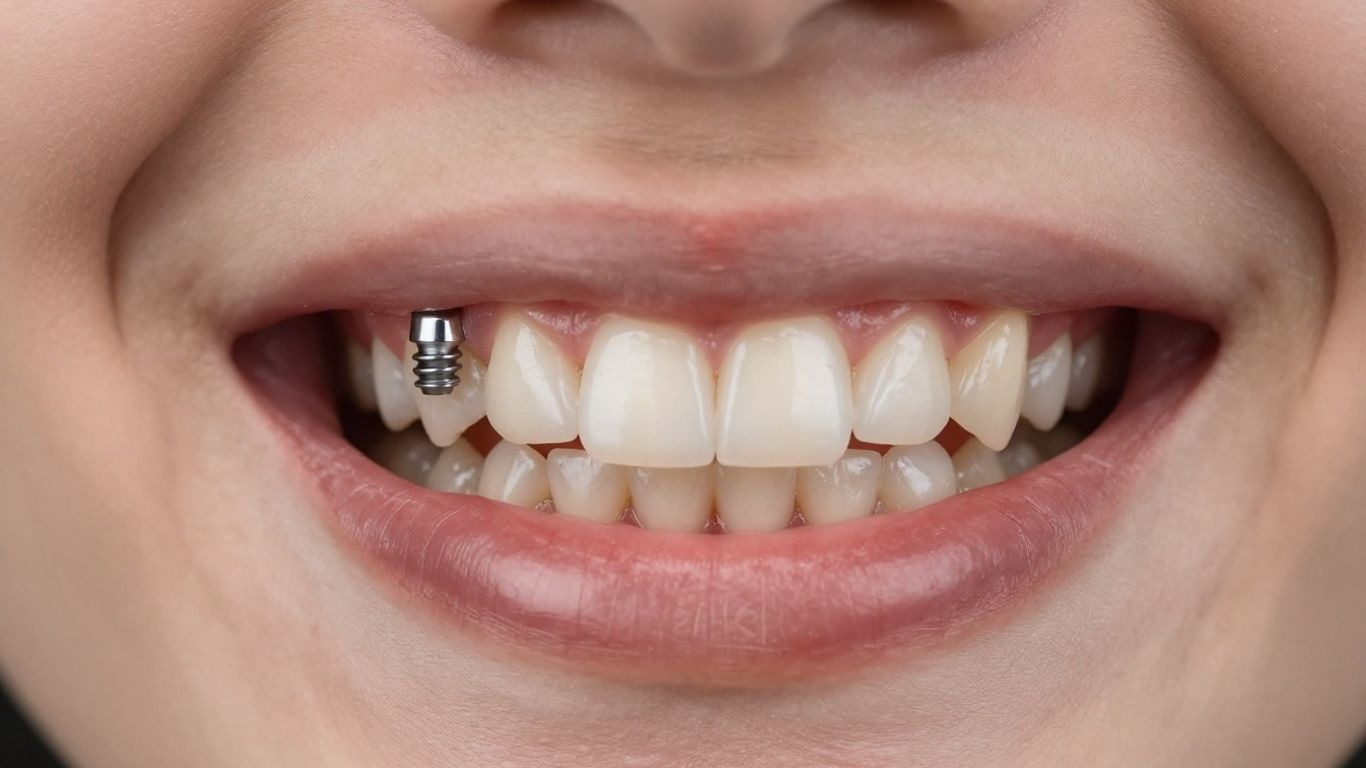
Thinking about dental implants? It's a big decision, and one of the first things people want to know is just how long these things are actually going to last. You want to know if it's a one-and-done deal or if you'll be back in the dentist's chair sooner than you'd like. Let's break down the lifespan of dental implants and what you can do to make sure yours stick around for the long haul.
Key Points to Know
- Dental implants, specifically the titanium post, are designed to last a lifetime because they fuse with your jawbone through a process called osseointegration.
- While the implant post is permanent, the crown (the visible tooth part) typically lasts 10 to 20 years and may need replacement due to normal wear and tear.
- Factors like good oral hygiene, avoiding smoking, managing health conditions, and not grinding your teeth are crucial for maximizing implant lifespan.
- Implant failure, though uncommon, can occur due to issues like infection (peri-implantitis), bone loss, or damage from grinding, often requiring the implant to be removed and replaced.
- Regular dental check-ups and diligent daily care, including brushing and flossing, are the best ways to ensure your dental implants last as long as possible, potentially for your entire life.
How Long Do Dental Implants Last on Average?
So, you're wondering about the lifespan of dental implants? It's a common question, and for good reason! You want to know if this investment is going to stick around. The short answer is: pretty darn long. Most dental implants are designed to last a lifetime. Think of them as a permanent solution for missing teeth.
How long do teeth implants last with proper care?
When we talk about how long do dental implants last, it's important to break it down a bit. The implant itself, that titanium post screwed into your jawbone, fuses with the bone over time. This process, called osseointegration, makes it super stable. This part, the implant root, can genuinely last you forever if everything goes right. The part you see, the crown (that's the fake tooth on top), is a different story. Crowns usually last about 10 to 15 years, though some can go longer, maybe even up to 20 or 25 years with top-notch care and the right materials. So, while the foundation is built to last, you might need to replace the crown once or twice in your life. It's still way better than other options out there.
- Implant Post (Root): Can last a lifetime.
- Abutment: Usually lasts a lifetime.
- Crown: Typically lasts 10-15 years, but can vary.
It's really about the combination of the implant's design and how well you take care of it. The titanium post is made to integrate with your bone, creating a solid base that doesn't degrade like natural tooth roots can.
Dental Implant Lifespan: What Affects How Long They Last?
So, you're wondering what makes a dental implant stick around for the long haul, right? It's not just a one-and-done deal; a few things play a role in the overall dental implant lifespan.
Does the brand or material of implant affect its lifespan?
While the titanium post that goes into your jawbone is pretty standard and designed to last forever, the part you actually see – the crown – is where things can differ. Think of it like a car; the engine (the post) is built tough, but the tires (the crown) will wear out eventually.
- Crown Material: Most crowns are made from porcelain, ceramic, resin, or metal. Porcelain is often the top pick because it's super durable, resists stains, and looks natural. High-quality porcelain crowns can sometimes last 15-25 years, but cheaper materials might need replacing sooner.
- Location: A crown on a back tooth that does a lot of heavy chewing might not last as long as one on a front tooth.
- Brand: While titanium posts are pretty universal, some brands might have slight variations in their abutment (the connector piece). However, the biggest factor is usually how well it's placed and how you care for it, rather than just the brand name.
The most common reason implants need attention over time isn't usually the titanium post itself, but rather issues with the surrounding gum tissue or the crown wearing down from daily use.
- Your Oral Hygiene: This is huge. Brushing twice a day, flossing daily, and using an antiseptic mouthwash really keeps things clean and prevents gum disease, which is a major enemy of implants.
- Your Overall Health: Conditions like diabetes can affect healing and make you more prone to infections. It's important to manage these health issues.
- Smoking: If you smoke, it can really mess with blood flow and healing, making it harder for the implant to integrate properly and increasing the risk of problems down the road.
- Bone Health: The implant needs a solid foundation. If your jawbone isn't strong, it can affect how stable the implant is.
- Chewing Habits: Biting down on super hard things like ice or hard candy can put too much stress on the crown and potentially chip or break it.
How Long Do Implants Last in Your Mouth — Realistic Expectations
So, you're wondering, how long do implants last in your mouth? It's a fair question, and the short answer is: a really long time, often for decades, and sometimes even a lifetime. The titanium post that goes into your jawbone actually fuses with it, kind of like your natural tooth root. This process, called osseointegration, makes the implant super stable. Think of it as building a solid foundation.
However, it's not quite as simple as "set it and forget it." While the post itself is built to last, the crown – that's the visible tooth part – might need some attention down the road. Crowns typically last anywhere from 10 to 15 years, though some high-quality ones can go for 20 or even 25 years with top-notch care. It really depends on the materials used and how much wear and tear it's subjected to.
- The Crown Material: Porcelain is often the go-to because it's tough, resists stains, and looks a lot like natural enamel. Other materials might not hold up as well over time.
- Chewing Habits: If you're constantly biting down on ice or hard candies, or using your teeth as tools, you're putting extra stress on the crown. This can lead to premature wear or even breakage.
- Your Overall Health: Things like diabetes or a weakened immune system can make you more prone to infections around the implant, which can affect its longevity. Keeping these conditions managed is key.
- Smoking: This is a big one. Smoking really messes with blood flow and healing, making it harder for your implant to stay healthy and increasing the risk of complications.
It's important to remember that implants are a significant investment in your oral health. While they are designed for durability, they aren't indestructible. Regular check-ups and diligent home care are your best allies in making them last as long as possible.
What habits shorten the life of a dental implant?
Several habits can unfortunately cut short the lifespan of your dental implants. Not keeping up with your daily brushing and flossing is a major culprit, as it can lead to gum disease and infections around the implant. Chewing on very hard objects, like pen caps or ice cubes, puts excessive force on the crown, potentially causing chips or cracks. Smoking is also detrimental, as it impairs healing and increases the risk of complications. Lastly, neglecting regular dental check-ups means potential problems might go unnoticed until they become serious.
Do Dental Implants Last Forever or Do They Need Replacing?
So, the big question: do dental implants last forever? It's a fair question, and honestly, they come pretty darn close. Unlike other tooth replacement options that might need swapping out every decade or so, implants are built to be a long-term solution. Think of them as a permanent fixture in your mouth.
What is the most common reason implants fail over time?
While implants themselves are designed to fuse with your jawbone and stick around for good, it's not always a 'set it and forget it' situation. The part that usually needs attention is the crown – that's the visible tooth part. Over time, just like your natural teeth, crowns can wear down or even chip. Most crowns can last anywhere from 10 to 20 years, sometimes longer with great care. So, you might need to replace the crown down the line, but the implant post itself, the part anchored in your bone, is usually there to stay.
- The Implant Post: This is the titanium screw that goes into your jawbone. Thanks to a process called osseointegration, it actually bonds with your bone. If everything goes well, this part is pretty much permanent.
- The Abutment: This connects the post to the crown. It's also designed to last a very long time, often a lifetime.
- The Crown: This is the artificial tooth. It experiences the most wear and tear and is the most likely part to need replacement after 10-20 years.
Sometimes, things can go wrong, and an implant might fail. This isn't super common, but it can happen if there are issues with how it heals, or if you don't take good care of it. Things like gum disease around the implant (called peri-implantitis), not keeping up with brushing and flossing, or even habits like smoking can cause problems. It's why your dentist will want to see you regularly to catch any potential issues early on.
How to Make Your Dental Implants Last a Lifetime
So, you've got these awesome dental implants, and you want them to stick around for the long haul, right? Good news is, they're built tough. The titanium post that goes into your jawbone is pretty much permanent once it fuses with your bone – that's the whole osseointegration thing. But, like anything, a little TLC goes a long way to keep everything in tip-top shape.
First off, treat them like your natural teeth, because, well, they're basically doing the same job. That means brushing twice a day and flossing once a day is non-negotiable. This keeps gunk from building up around the implant, which can lead to gum issues that nobody wants. Think of it as keeping the foundation clean and strong.
Don't skip your dentist appointments, either. Those regular check-ups, usually every six months, are super important. Your dentist can spot tiny problems before they become big headaches, like early signs of gum inflammation or if anything seems a bit off with the implant itself. They'll give your implants a professional cleaning and make sure everything is still stable.
- Daily Brushing and Flossing: Seriously, don't skimp on this. It's the number one defense against problems.
- Regular Dental Visits: Your dentist is your partner in implant longevity.
- Healthy Lifestyle Choices: This includes not smoking. Smoking really messes with blood flow and healing, which is bad news for implants.
- Mind What You Chew: Avoid using your implants to crack hard nuts or chew on ice. They're strong, but they're not indestructible.
Remember, while the implant post is designed to last forever, the crown (the visible tooth part) might need replacing after 10-15 years, sometimes sooner, sometimes later. It's just like any restoration – it experiences wear and tear. But replacing a crown is way less involved and costly than getting a whole new implant.
Also, if you have any health conditions like diabetes, make sure they're well-managed. Keeping your overall health in check directly impacts how well your body supports the implant. It’s all connected, you know?
So, How Long Will Your Implants Stick Around?
Alright, so we've talked a lot about dental implants. The main takeaway here is that the implant itself, that titanium bit screwed into your jawbone, is pretty much in there for good. Like, lifetime good, thanks to how it fuses with your bone. The part you actually see, the crown, that's a different story. It's more like a really good car tire – it does its job for a long time, maybe 10 to 15 years, sometimes more, but eventually, it'll need swapping out. It's not a big deal, just something to keep in mind. The big thing is taking care of them – brush, floss, see your dentist. And maybe lay off the smoking. Do that, and you're looking at a smile that can seriously last you for ages. It's a solid investment in your mouth, for sure.
Frequently Asked Questions
How long do dental implants usually last?
Dental implants are built to last a really long time! The titanium post that goes into your jawbone can actually last a lifetime because it fuses with your bone. The part that looks like a tooth, called the crown, usually lasts about 10 to 15 years before it might need to be replaced. So, the foundation is permanent, but the visible tooth part might need a refresh down the road.
What makes dental implants last so long?
The main reason implants are so durable is because of how they're made and how they connect with your body. The titanium post acts like a natural tooth root, and your jawbone grows around it, making it super strong. This process is called osseointegration. Because it's fused with your bone, it's much more stable than other tooth replacement options like dentures.
Can my habits affect how long my implants last?
Yes, definitely! Just like with your natural teeth, taking good care of your implants is key. Brushing and flossing every day helps keep your gums healthy and prevents problems. Also, things like smoking can really hurt your implants and make them less likely to last. Chewing on really hard things like ice can also damage the crown.
Do dental implants ever fail?
While dental implants have a very high success rate, they can sometimes fail. This usually happens if the implant doesn't heal properly with the bone, or if there's a problem with gum health around the implant. Not taking care of them, smoking, or having certain health issues can increase the risk of failure.
What's the most common reason implants fail?
One of the most common reasons implants might have trouble is a condition called peri-implantitis. This is basically an infection and inflammation of the gums and bone around the implant. It's often caused by poor oral hygiene, which allows bacteria to build up. This can weaken the bone and make the implant loose.
How can I make sure my dental implants last as long as possible?
To give your implants the best chance of lasting a lifetime, stick to good daily habits. Brush and floss regularly, just like you would with your natural teeth. Visit your dentist for regular check-ups and cleanings – they can spot any potential issues early on. Also, try to avoid smoking and protect your implants from damage by not chewing on hard objects.
Blog Post Author

Contributed by DentalROI
DentalROI provides relevant dental content to help providers educate patients. The statements, services, and products referenced in this article have not been evaluated by the Food and Drug Administration, and they are not intended as a substitute for professional medical advice, diagnosis, or treatment. Always seek the advice of your dental provider with any questions or issues you may have. Specific recommendations may vary in different circumstances, so individual consultation is important.