
How Long Do Dental Implants Last? Lifespan and How to Protect Them
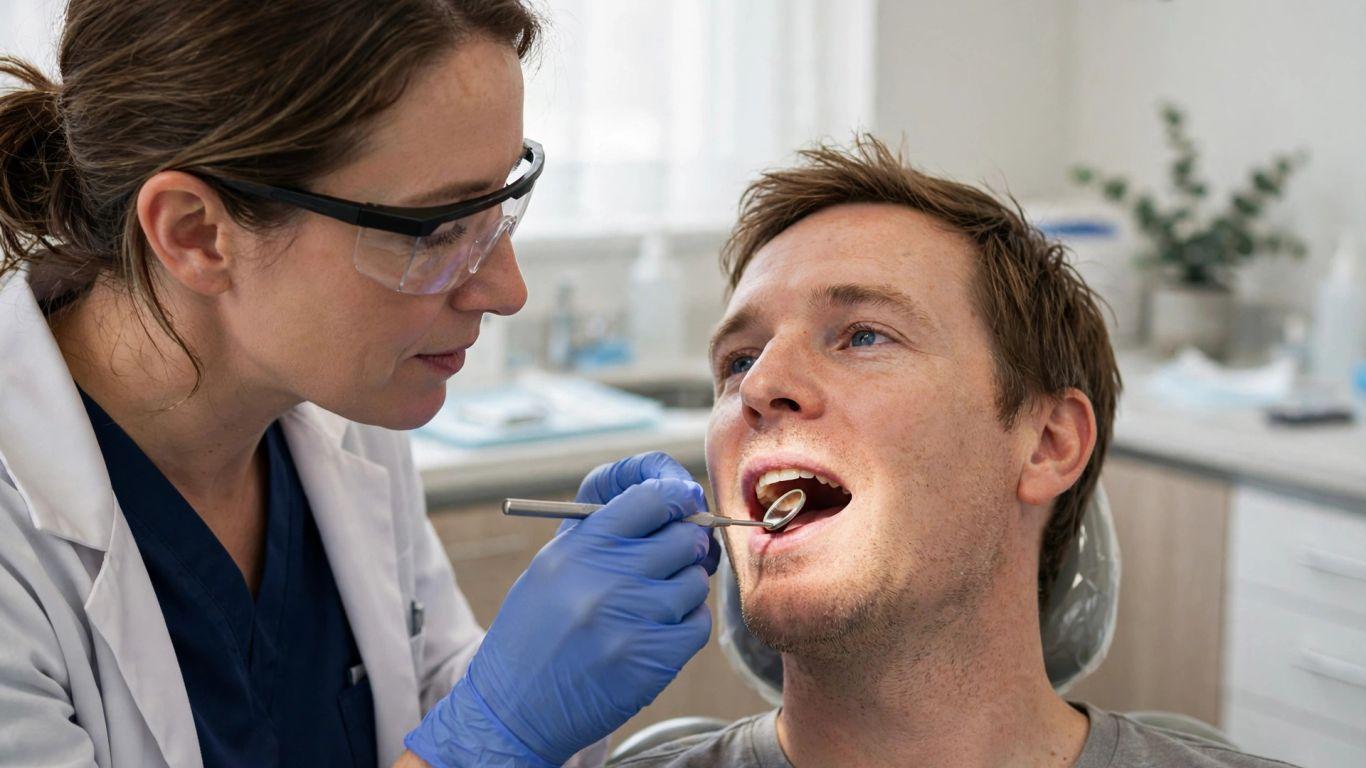
Dental implants are made up of separate parts, and those parts do not necessarily wear out at the same pace. The implant post is placed in the jaw, while a crown or another restoration sits above the gums and does the work of a tooth. Knowing the difference helps set realistic expectations for how long dental implants last.
How long dental implants typically last
The implant post can last for decades
Once an implant post has healed and integrated with the surrounding bone, it can remain in place for many years, sometimes for decades. That does not make its lifespan automatic: the gums and bone around it still need ongoing care. Learn more about dental implants in Bellevue.
Crowns and other restorations may need replacing sooner
The visible part of an implant is exposed to chewing forces and everyday wear. A crown, bridge, or denture attached to an implant may need repair or replacement before the post does.
Why lifespan estimates vary from person to person
Oral hygiene, general health, smoking, bite forces, and the condition of the bone can all play a part. The post and restoration have different jobs, so their expected service lives can differ.
What affects how long dental implants last
An implant depends on more than the post itself: the surrounding gums and bone, a person’s health, and the forces placed on the restoration all matter.
Gum and bone health around the implant
Healthy gum tissue and adequate bone help support an implant. Daily cleaning and professional monitoring can help identify concerns, though they cannot guarantee that complications will not occur.
Smoking, diabetes, and other health factors
Smoking and some health conditions can affect healing and the tissues around an implant. Share relevant health changes and medications with your dentist.
Bite pressure, teeth grinding, and implant placement
Grinding or clenching can add force. If a restoration seems to take too much pressure, ask a dentist to check it rather than adjusting it yourself.
The materials and design of the restoration
Material alone does not predict how long a restoration will last; fit, bite, and everyday use matter as well.
| Part or consideration | What it does | What may affect its service life |
|---|---|---|
| Implant post | Sits in the jaw and supports the restoration | Bone and gum health, healing, and ongoing care |
| Crown or other restoration | Provides the visible replacement tooth | Wear, damage, fit, and chewing forces |
| Connection between parts | Joins the restoration to the implant | Fit, bite pressure, and component condition |
How to protect your dental implants at home
Implants do not develop cavities like natural teeth, but plaque can still irritate the surrounding tissues. A steady routine is more useful than scrubbing aggressively. The ADA offers a general overview of dental implants.
Brush and clean between teeth every day
Brush twice a day with a soft-bristled toothbrush, taking care along the gumline and around the implant restoration, and clean between teeth daily.
Choose tools that reach around the implant
Your dentist or hygienist can show you how to use floss, an interdental brush, or another aid without injuring the gums.
- Brush gently along the gumline and around the restoration.
- Clean between teeth once a day using a tool suited to the space.
- Follow your dental team’s guidance on any special cleaning aid.
- Replace worn brushes or brush heads so they can clean effectively.
Avoid using your teeth to open or bite hard objects
That kind of force can chip or damage a crown and may stress the connection beneath it.
Wear a night guard if you grind your teeth
Ask your dentist whether a night guard is appropriate. A guard may help manage pressure, but it does not remove the need for regular care.
The role of professional implant care
Dental visits give a professional a chance to check the restoration, the bite, and the surrounding tissues.
Keep up with regular dental checkups and cleanings
Keep appointments even when the implant feels normal; some changes are not immediately noticeable.
Tell your dentist about changes in your health or medications
Health conditions and medications can change, and some may affect healing or oral health.
Ask how often your implant needs to be monitored
Follow-up frequency depends on the implant’s condition, your oral health, and your medical history.
Follow care instructions after implant surgery
Healing needs time. Contact the office if symptoms are worsening rather than settling as expected.
Signs a dental implant may need attention
A change around an implant does not always mean it has failed, but it should not be ignored.
Bleeding, swelling, or tenderness around the gums
These can be signs of irritation or inflammation. Contact your dentist if they continue, recur, or worsen.
A loose-feeling implant or restoration
A crown may feel loose even when the post is stable. Avoid wiggling it or tightening it at home, and call your dental office.
Changes in your bite or discomfort when chewing
If your bite feels uneven or chewing is uncomfortable, the restoration may need to be checked.
Why early evaluation can help prevent complications
Acting sooner may make it easier to address the cause before more damage occurs. Not sure if implants are right for you? See Am I a good dental implant candidate?
What happens if an implant or crown needs repair
Repair does not always mean that the implant post has to be removed.
How dentists assess the implant and surrounding bone
A dentist may examine the gums, check the restoration and bite, and use imaging to assess the implant and nearby bone.
Repairing or replacing a worn crown
A worn or chipped crown may sometimes be repaired; in other cases, replacement is more appropriate. Replacing a crown does not necessarily mean replacing the implant post.
Treating infection or bone loss around an implant
Treatment depends on the cause and severity and may include professional cleaning or other care after examination.
When an implant may need to be replaced
Replacement may be considered if an implant cannot be stabilized or if the surrounding support is significantly compromised.
Conclusion
Dental implants can serve for many years, but the post and the restoration have different lifespans, and neither comes with a guaranteed timeline. Good daily cleaning, regular professional care, and attention to changes can help protect the tissues. If something feels different, contact our Bellevue office or read our prosthodontics FAQs.
Frequently Asked Questions
How long do dental implants last?
The implant post can last for decades for some people, while the crown or other restoration may need repair or replacement sooner. Individual longevity varies with oral health, general health, bite forces, and care.
Do implant crowns last as long as the implant post?
Not necessarily. The crown is exposed to chewing and everyday wear, so it may need attention before the post does. A dentist can check its condition during routine visits.
Can a dental implant fail years after placement?
Problems can arise at different times, including years after placement. Changes in the gums, bone, restoration, or bite may contribute, so new symptoms should be evaluated rather than assumed to be normal.
What is the best way to clean around a dental implant?
Brush gently around the gumline and clean between teeth every day. The best tools depend on the restoration and the spaces around it, so ask your dental team to show you an approach that suits your mouth.
Should I see a dentist if my implant crown feels loose?
Yes. A loose-feeling crown or restoration should be checked to find out whether the issue is limited to that part or involves the connection or implant. Do not try to tighten or adjust it yourself.
Does smoking affect dental implant longevity?
Smoking can affect oral tissues and healing, which may influence implant care. If you smoke, tell your dentist so they can discuss your individual risks and support options.
How often should dental implants be checked?
The schedule depends on your oral health, the implant’s condition, and your medical history. Ask your dentist how often to return and what signs should prompt an earlier visit.
About the Author
This article was prepared for Washington State Prosthodontics & Dental Implant Center, 1370 116th Ave. NE, Ste. 212, Bellevue, WA 98004, and reflects the experience of our board-certified prosthodontists Dr. Russell Johnson, Dr. Michael Johnson, and Dr. Pi Yu Hsu, who bring about ten years of combined dental and specialty training, lecture nationally on dental implants, and hold memberships including the American Dental Association, Washington State Dental Association, American Academy of Maxillofacial Prosthetics, and the Academy of Osseointegration.
Disclaimer
This content is for general educational purposes only and is not a substitute for professional dental advice, diagnosis, or treatment. Consult a qualified dental professional about your specific situation.
Blog Post Author

Contributed by DentalROI
DentalROI provides relevant dental content to help providers educate patients. The statements, services, and products referenced in this article have not been evaluated by the Food and Drug Administration, and they are not intended as a substitute for professional medical advice, diagnosis, or treatment. Always seek the advice of your dental provider with any questions or issues you may have. Specific recommendations may vary in different circumstances, so individual consultation is important.