
How to Fix Receding Gums Around a Crown
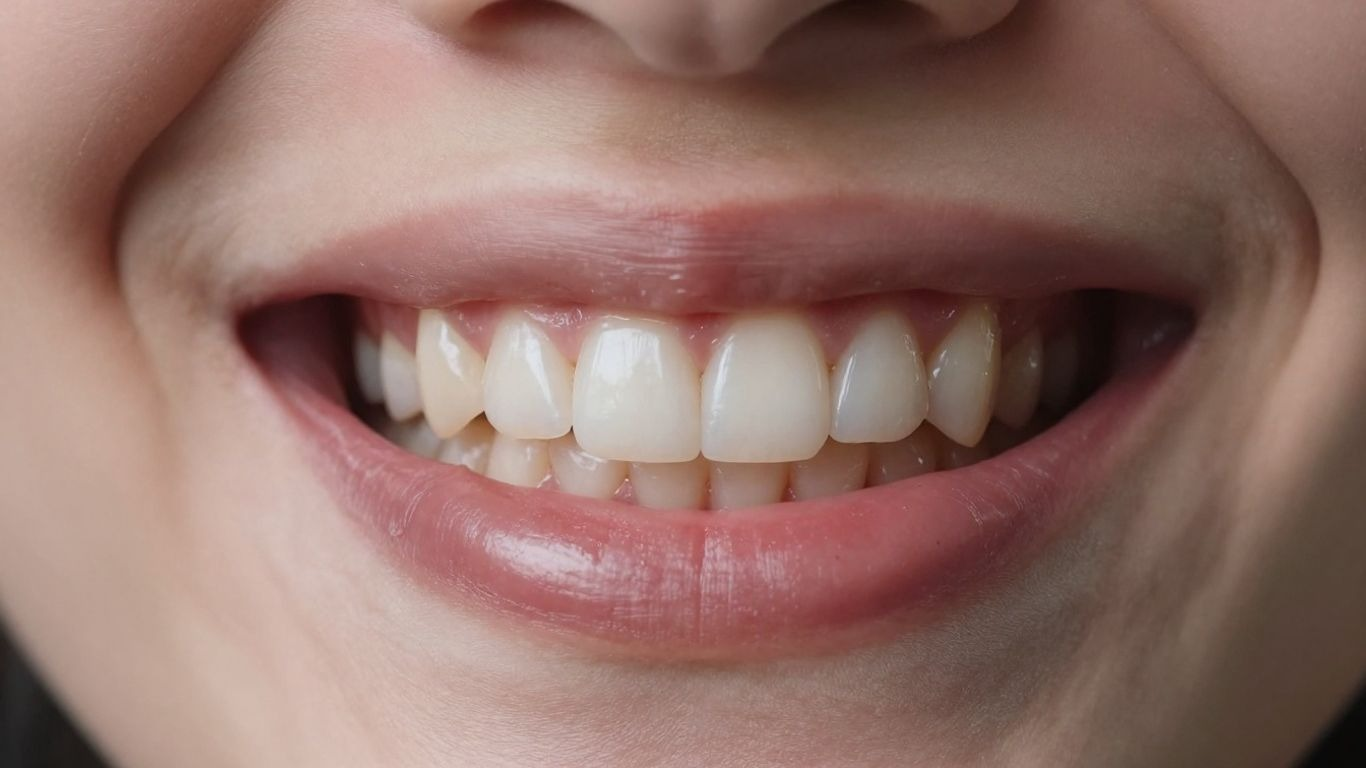
So, you've noticed your gums are pulling away from your dental crown. It's a bit unsettling, right? You might be wondering if this is normal or if it means something more serious is going on. This can happen for a few reasons, from how well the crown fits to how you're taking care of your teeth day-to-day. The good news is, there are ways to deal with it, and understanding why it's happening is the first step.
Key Points to Know
- Gum recession around a dental crown isn't always normal and can signal issues like gum disease or a poorly fitting crown.
- While some at-home care can help, professional dental treatment is often needed to fix receding gums around a crown.
- Dentists can treat receding gums around a crown with options like gum grafting, replacing the crown, or treating underlying gum disease.
- Gum recession can start at various times after crown placement, sometimes due to the crown's age or how it fits.
- Preventing further recession involves good oral hygiene, gentle brushing, regular flossing, and consistent dental check-ups.
Why Are My Gums Receding Around a Dental Crown?
So, you've noticed your gums seem to be pulling back from your dental crown. It's a common thing people worry about, and honestly, it can be a bit alarming. You might be wondering if this is just a normal part of aging or if it's a sign that something's not quite right with your crown or your oral health. Let's break down why this might be happening.
Is gum recession around a crown normal or a warning sign?
First off, let's get this straight: receding gums around a dental crown aren't always a sign of doom and gloom, but they're definitely something you shouldn't ignore. Think of it like a little alarm bell for your mouth. While some minor changes can happen over time, significant gum recession often points to an underlying issue that needs attention.
- Gum Disease: Yep, even with a crown, gum disease (periodontitis) is a major player. Plaque and bacteria can build up, especially at the gum line, causing inflammation and eventually leading to gum tissue loss. This is probably the most frequent culprit.
- Ill-Fitting Crown: If your crown wasn't placed perfectly, or if it's old and has started to shift, it can create little nooks where plaque loves to hide. This irritation can make your gums recede.
- Aggressive Brushing: We all want to keep our teeth clean, but sometimes we can be a little too enthusiastic with our toothbrush. Brushing too hard, especially around the gum line of a crown, can wear away gum tissue over time.
- Teeth Grinding (Bruxism): If you grind or clench your teeth, the extra pressure can stress the tooth with the crown and the surrounding gums, potentially leading to recession.
- Aging: As we get older, our gums can naturally recede a bit. However, this is usually a slower process and less dramatic than recession caused by other factors.
It's important to remember that receding gums aren't just a cosmetic concern. They can expose the root of your tooth, making it more sensitive to hot and cold, and increasing the risk of decay. Plus, if the recession is due to gum disease, it can eventually affect the bone supporting your tooth.
So, while it might not always be a dental emergency, seeing your gums recede around a crown is definitely a signal to pay closer attention to your oral hygiene and to schedule a chat with your dentist.
How to Fix Receding Gums Around a Crown — Treatment Options
So, you've noticed your gums are pulling back around a dental crown. It's a common worry, but don't freak out just yet. There are definitely ways to tackle this, and the first step is figuring out what's causing it. Sometimes, it's just a matter of tweaking your brushing habits, but other times, it might mean a bit more dental intervention.
Can receding gums around a crown be reversed at home?
Honestly, completely reversing significant gum recession at home is pretty tough, especially if the recession is already noticeable around a crown. Your gums don't just magically grow back like they used to when you were a kid. However, you can absolutely take steps at home to stop it from getting worse and to keep the area healthy. The best you can do at home is focus on excellent oral hygiene and gentle care.
- Gentle Brushing: Ditch that stiff toothbrush! Switch to a soft-bristle brush and use a light touch. Think of it as massaging your gums, not scrubbing them. Brushing too hard is a major culprit for gum irritation and recession.
- Floss Like a Boss (Gently!): Flossing is non-negotiable, especially around crowns where food particles love to hide. Be super careful not to saw at your gum line. Slide the floss gently up and down the sides of the tooth, curving it around the base.
- Rinse Regularly: Using an antimicrobial mouthwash can help reduce bacteria, but make sure it's not alcohol-based, as that can sometimes dry out your mouth and make things worse.
- Watch Your Diet: Cutting back on sugary snacks and drinks helps reduce the fuel for bacteria that cause gum problems.
While home care is vital for preventing further recession and maintaining gum health, it's unlikely to rebuild lost gum tissue. For actual restoration, professional help is usually needed.
If you're seeing a dark line around your crown, feeling sensitivity, or just noticing that your gums look like they're shrinking, it's time to think about what a dentist can do. Home care is your first line of defense, but it's not the whole battle plan when it comes to how to fix receding gums around a crown.
Gum Recession Around Crown: When to See Your Dentist
So, you've noticed your gums pulling back around a dental crown. It's easy to brush it off as just a minor cosmetic thing, but honestly, it's usually a sign that something needs a closer look. Ignoring gum recession around a crown can lead to bigger problems down the road, like sensitivity, decay, and even losing the tooth. Think of it like a tiny crack in your windshield – it might seem small now, but it can spread.
How Dentists Treat Gum Recession Around a Dental Crown
When you head to the dentist with concerns about gum recession around your crown, they'll first figure out why it's happening. It's not a one-size-fits-all fix. Depending on the cause and how bad it is, here are some common treatments:
- Professional Cleaning: If plaque and tartar buildup are the main culprits, a thorough deep cleaning is the first step. This gets rid of the bacteria that are irritating your gums.
- Crown Adjustment or Replacement: Sometimes, the crown itself is the problem. If it's old, damaged, or just doesn't fit right, it can trap food and bacteria, leading to irritation and recession. Your dentist might need to adjust it or, more likely, replace it with a new one that fits perfectly.
- Gum Grafting: For more significant gum loss, a gum graft might be recommended. This is a procedure where tissue is taken from another part of your mouth and used to cover the exposed tooth root, essentially rebuilding the gum line.
- Treating Underlying Issues: If gum disease (periodontitis) is the root cause, your dentist will create a treatment plan to manage it. This could involve more frequent cleanings, medication, or other therapies.
- Monitoring for Decay: As gums recede, the root of your tooth becomes exposed. This area is softer than the crown and more prone to decay. Your dentist will keep a close eye on it and may recommend treatments to protect the exposed root.
It's important to remember that while some treatments can help restore gum tissue and stop recession, the gums might not always grow back to their original position. The goal is to halt the recession, protect the tooth, and improve the overall health of your mouth.
- Persistent sensitivity to hot or cold.
- A visible dark line at the gum line, especially with older crowns.
- Bleeding gums around the crown, even after gentle brushing.
- Bad breath or a strange taste that won't go away.
- Any feeling that the crown is loose or shifting.
Receding Gums After Crown Placement — Causes and Prevention
So, you've got a dental crown, and now you're noticing your gums are pulling back a bit. It's a bummer, for sure, and it's totally understandable to wonder what's going on. Receding gums after crown placement can happen for a few reasons, and knowing them is the first step to stopping it from getting worse.
How long after crown placement can gum recession start?
Honestly, there's no set timeline for when gum recession might start after getting a crown. For some folks, it might be noticeable within months, while for others, it could take years, or never happen at all. It really depends on a mix of factors, including how well the crown fits, your daily oral care habits, and even if you tend to grind your teeth.
What causes gums to recede around a crown?
- Ill-fitting crowns: If a crown is too big, too small, or just not shaped right, it can rub against your gums, causing irritation and leading to recession over time. Think of it like wearing shoes that don't fit – they just cause problems.
- Poor oral hygiene: This is a big one. If plaque and tartar build up around the crown and along the gum line, it can lead to gum disease, which is a major cause of receding gums. It’s like a party for bacteria that your gums definitely don't want.
- Brushing too hard: Yep, you can actually scrub your gums away! Using a toothbrush with hard bristles or applying too much pressure can wear down gum tissue, especially around the sensitive area of a crown.
- Teeth grinding (Bruxism): If you grind or clench your teeth, especially at night, that constant pressure can stress the tooth and the surrounding gums, potentially causing them to recede.
- Aging: Sometimes, gums just naturally recede a bit as we get older, and a crown might make this more noticeable.
It's important to remember that receding gums aren't just a cosmetic issue. They can expose the root of your tooth, leading to sensitivity, an increased risk of decay, and even making the crown less stable.
How can you prevent gum recession around a crown?
- Gentle but thorough brushing: Use a soft-bristled toothbrush and a non-abrasive toothpaste. Focus on cleaning around the gum line without scrubbing aggressively. Make sure you’re cleaning all surfaces of the tooth, especially where the crown meets the gum.
- Daily flossing: Don't skip this! Flossing is key to removing plaque and food particles from between teeth and under the gum line, areas your toothbrush can't reach. Be gentle around the crown.
- Regular dental check-ups: This is non-negotiable. Your dentist can spot early signs of gum recession or irritation during your regular visits. They can also professionally clean your teeth, removing any stubborn plaque or tartar.
- Consider a night guard: If you grind your teeth, talk to your dentist about getting a custom-fitted night guard. It can protect your teeth and gums from the damaging effects of bruxism.
- Watch out for crown issues: If your crown feels loose, looks damaged, or you notice a dark line appearing at the gum line (especially with older porcelain-fused-to-metal crowns), get it checked out by your dentist. An old or damaged crown might need replacing.
Crown and Receding Gums Treatment: What Works Best?
So, you've noticed your gums pulling back from that dental crown. It's a common worry, and thankfully, there are several ways to tackle this. The best approach really depends on why it's happening and how much recession we're talking about.
The goal with any crown and receding gums treatment is to stop further gum loss and protect the tooth underneath. Sometimes, it's as simple as improving your home care routine, but other times, more involved steps are needed.
- Professional Cleaning: If gum disease is the culprit, a deep cleaning (scaling and root planing) is usually the first step. This gets rid of the plaque and tartar that are irritating your gums and causing them to pull away. It's not a one-time fix; regular cleanings are key.
- Crown Adjustment or Replacement: If the crown itself is the problem – maybe it's old, has a rough edge, or doesn't fit quite right – your dentist might suggest getting a new one. Modern crowns are designed to fit perfectly and look natural, which can help your gums stay healthy. Sometimes, a dark line you see isn't just recession; it could be the metal part of an older crown showing through.
- Gum Grafting: For more significant gum loss, a surgical procedure called a gum graft might be the best option. This involves taking a small piece of tissue from elsewhere in your mouth and attaching it to the area where the gum has receded. It helps cover exposed tooth roots and can create a more stable gum line.
- Pinhole Surgical Technique: This is a less invasive option than traditional grafting. It involves making a tiny hole in the gum tissue and using special instruments to reposition the gum over the exposed root. It often involves less discomfort and a quicker recovery.
It's important to remember that while these treatments can help restore your gum line and prevent further issues, they don't always make the gums grow back to their original position. The focus is on health and stability.
Ultimately, what works best for crown and receding gums treatment is a personalized plan. Your dentist will assess the situation, consider the cause, and discuss the options that will give you the best long-term results for a healthy smile.
Wrapping It Up
So, if you've noticed your gums pulling away from your crown, don't just shrug it off. It's your mouth sending you a little signal that something needs attention. The good news is, you've got options! Whether it's a simple fix like changing up your brushing game or a more involved procedure like a gum graft or a new crown, your dentist is your best bet for figuring out the right move. Taking care of this now can save you a lot of hassle (and maybe even teeth!) down the road. So, give your dentist a call, be extra nice to your floss, and let's keep those crowns looking good and those gums happy.
Frequently Asked Questions
Why is my gum pulling away from my crown?
Several things can cause your gum to shrink back from a dental crown. Sometimes, it's because of gum disease, which is an infection that can damage the gums and bone holding your teeth. Brushing your teeth too hard or having a crown that doesn't fit just right can also irritate your gums and make them pull away. Even if your crown is old, the gum might start to recede over time.
Is it normal for gums to recede around a crown?
It's not really 'normal' in the sense that it's ideal, but it can happen. While a well-fitting crown and good oral care should keep your gums healthy, things like gum disease, brushing too hard, or just the natural aging of dental work can cause gums to recede. If you notice it, it's a sign that something needs attention.
Can receding gums around a crown be fixed at home?
While you can't magically regrow lost gum tissue at home, you can definitely help prevent it from getting worse. This means brushing gently with a soft toothbrush, flossing carefully around your crown every day, and avoiding harsh mouthwashes. However, if your gums have already receded significantly, you'll likely need to see a dentist for professional treatment.
What can a dentist do about receding gums around a crown?
Your dentist has several ways to help. They might do a deep cleaning to remove plaque and tartar if gum disease is the problem. If a lot of gum has been lost, they might suggest a gum graft, which is a procedure to add more tissue. Sometimes, the best fix is to replace the crown if it's old or doesn't fit well anymore. They'll figure out the best plan based on why your gums are receding.
How long after getting a crown can gum recession start?
Gum recession around a crown can happen at different times. Sometimes, it might start within months if the crown's fit is poor or if there's immediate irritation. Other times, it might take years for gums to recede due to natural changes in your mouth, wear and tear on the crown, or the slow progression of gum disease. It really depends on the specific situation.
What should I do if I see a dark line around my crown?
A dark line near your gum line, especially around older crowns made with metal, often means your gums have shrunk back and are showing the edge of the crown. This can also happen if the crown isn't fitting perfectly. It's a good idea to have your dentist check it out, as this area can trap more plaque and bacteria, potentially leading to more gum problems or decay.
Blog Post Author

Contributed by DentalROI
DentalROI provides relevant dental content to help providers educate patients. The statements, services, and products referenced in this article have not been evaluated by the Food and Drug Administration, and they are not intended as a substitute for professional medical advice, diagnosis, or treatment. Always seek the advice of your dental provider with any questions or issues you may have. Specific recommendations may vary in different circumstances, so individual consultation is important.