
Is a Root Canal Considered Oral Surgery
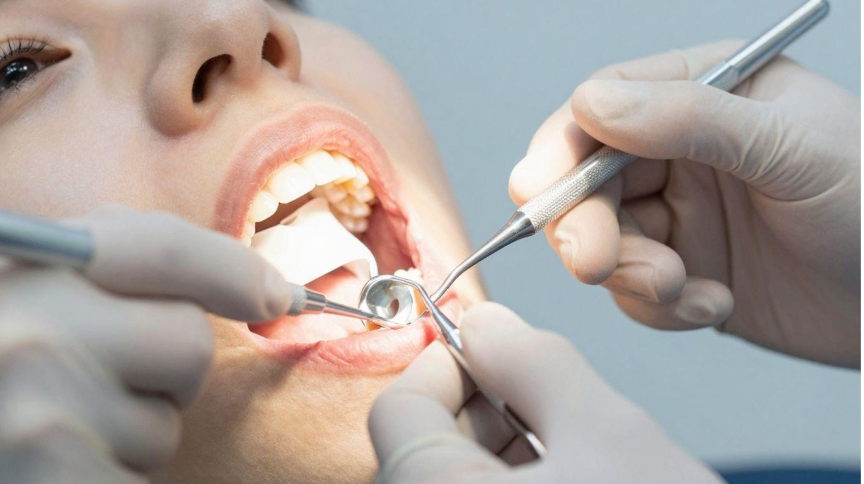
The term 'root canal' often brings to mind images of complex dental work, and many people wonder if it falls under the umbrella of oral surgery. It's a common question, and understanding the distinction can help ease anxieties about dental procedures. This article aims to clarify the nature of root canal treatment and how it compares to traditional oral surgery.
Key Takeaways
- A standard root canal is typically considered an endodontic treatment, not oral surgery, as it focuses on cleaning and sealing the inside of the tooth.
- Oral surgery generally involves more invasive procedures like extractions, implants, or biopsies that affect the jawbone or surrounding tissues.
- While most root canals are non-surgical, a specific procedure called an apicoectomy, which addresses persistent infection at the root tip, is considered a minor oral surgery.
- The main goal of a root canal is to save a natural tooth, whereas oral surgery often involves removal or significant alteration of oral structures.
- Understanding the difference helps manage expectations regarding procedure, recovery, and sometimes insurance coverage for dental treatments.
What Is a Root Canal Treatment?
A root canal treatment is a dental procedure designed to save a tooth when its inner pulp becomes infected or inflamed. Think of the pulp as the soft center of the tooth, containing nerves and blood vessels. When this gets damaged, usually from deep decay, a crack, or a blow to the tooth, it can cause a lot of pain and lead to infection.
The main goal of a root canal is to remove this damaged pulp, clean out the inside of the tooth, and then seal it up. This process stops the infection from spreading and saves the natural tooth from needing to be pulled. It's a way to keep your smile intact and functioning.
Root Canal Procedure Overview
- Numbing Up: First, the dentist will make sure the area around the tooth is completely numb using local anesthetic. You shouldn't feel any pain during the procedure.
- Cleaning Inside: A small opening is made in the tooth to get to the pulp chamber. The infected or damaged pulp is carefully removed from both the chamber and the tiny canals that run down into the root.
- Disinfecting and Filling: The inside of the tooth is cleaned and disinfected. Then, it's filled with a special material to seal the canals and prevent any new bacteria from getting in.
- Sealing the Tooth: Finally, the small opening is closed, often with a temporary filling. Later, a crown is usually placed over the tooth to protect it and restore its normal shape and function.
Root canal treatments have a high success rate, often over 90%, meaning they are very effective at saving teeth. While the name might sound intimidating, the procedure is quite common and aims to relieve pain and preserve your natural tooth structure.
What Qualifies as Oral Surgery?
When we talk about dental work, the term 'oral surgery' often comes up. But what exactly does that mean? Generally, oral surgery refers to any procedure that involves cutting into the soft tissues of your mouth or jaw, or altering the bone structure. Think of things like removing wisdom teeth, placing dental implants, or even taking a small tissue sample for testing, which is called an oral biopsy. These procedures usually require a specialist, like an oral and maxillofacial surgeon, and might involve more advanced anesthesia.
Examples of Oral Surgery
- Tooth Extractions: Removing teeth that are damaged, diseased, or impacted, like wisdom teeth.
- Jaw Surgery: Procedures to correct irregularities in the jaw bones, often for alignment or functional reasons.
- Apicoectomy: A procedure to remove the tip of a tooth's root when a standard root canal hasn't fully resolved an infection.
- Bone Grafting: Adding or replacing bone in the jaw, often needed before dental implants.
- Tumor Removal: Surgically removing growths from the mouth.
The key differentiator for oral surgery often lies in its invasiveness and the extent to which it modifies or interacts with the bone and deeper soft tissues of the mouth and jaw. It's about more than just working inside a tooth; it's about surgical intervention in the broader oral structures.
Is a Root Canal Considered Oral Surgery?
Many people associate the term "surgery" with something quite invasive, perhaps involving scalpels and significant downtime. While a root canal certainly requires skill and precision, it's generally not classified as oral surgery in the same way that extracting wisdom teeth or placing dental implants are.
Oral surgery typically involves procedures that alter the bone structure, require incisions, or remove tissue beyond the immediate confines of a tooth's internal structure. Root canal treatment, on the other hand, is primarily focused on treating the inside of a tooth. The goal is to remove infected or inflamed pulp, clean and disinfect the inner canals, and then seal the tooth to save it.
Root Canal vs. Oral Surgery
- Root Canal Treatment: Focuses on cleaning and sealing the internal part of a tooth to save it from extraction. It's considered a non-surgical endodontic procedure.
- Oral Surgery: Involves more invasive procedures affecting the mouth, jaw, or facial bones, often requiring incisions and potentially more complex anesthesia.
While an apicoectomy might be considered a surgical procedure related to root canal therapy, the standard root canal treatment itself is not.
What the Root Canal Procedure Is Really Like
First, you'll get local anesthetic to numb the area. A tiny opening is made in the tooth's crown to access the infected pulp. The pulp is removed, the canals are cleaned and shaped, then filled with a biocompatible material. A temporary filling is placed, and later a crown is used to protect the tooth.
- Numbing the tooth with local anesthetic.
- Creating a small opening in the tooth.
- Removing the infected pulp.
- Cleaning and shaping the root canals.
- Filling and sealing the canals.
- Placing a temporary filling.
Recovery and Healing: What Patients Can Expect
- Immediate Post-Procedure: Mild soreness as the anesthetic wears off.
- First Few Days: Sensitivity when biting down; stick to softer foods.
- Ongoing Care: Maintain good oral hygiene and follow up for permanent crown placement.
Most patients find that pain subsides within a few days. If severe pain, swelling, or other concerning symptoms occur, contact your dental professional.
So, What's the Verdict?
A standard root canal isn't really surgery in the traditional sense. It's a repair job inside the tooth designed to save it from infection. Most of the time, a regular dentist or endodontist can handle it using local anesthetic.
Frequently Asked Questions
Is a root canal considered oral surgery?
While a root canal is a detailed dental procedure that requires skill, it is generally not classified as oral surgery. Oral surgery typically involves more invasive procedures like tooth extractions or jawbone work. A root canal focuses on cleaning out the inside of a tooth.
What is the main difference between a root canal and oral surgery?
The biggest difference is how invasive the procedure is. Oral surgery often involves cutting into gums or bone, while a root canal is done through a small opening made in the tooth itself.
Can a general dentist perform a root canal?
Yes, many general dentists are trained and experienced in performing standard root canal treatments. Complex cases might be referred to an endodontist.
Is a root canal painful?
Modern root canal treatments are usually not painful. Local anesthesia ensures you don’t feel pain, and many patients report relief from tooth pain afterward.
What happens if a root canal is needed but not done?
If an infected or damaged tooth isn't treated, infection can spread, causing severe pain, swelling, abscess, and potential tooth loss.
What is an apicoectomy, and how is it different from a root canal?
An apicoectomy is a minor surgical procedure done if a regular root canal doesn't fully clear up an infection at the tip of the tooth's root. It involves removing that small tip of the root.
Blog Post Author

Contributed by DentalROI
DentalROI provides relevant dental content to help providers educate patients. The statements, services, and products referenced in this article have not been evaluated by the Food and Drug Administration, and they are not intended as a substitute for professional medical advice, diagnosis, or treatment. Always seek the advice of your dental provider with any questions or issues you may have. Specific recommendations may vary in different circumstances, so individual consultation is important.