
TMJ and Bite Problems: How a Prosthodontist Treats Malocclusion
Understanding the Connection Between TMJ and Bite Problems
The temporomandibular joints connect the lower jaw to the skull and work with the surrounding muscles every time you speak, chew, or yawn. A bite that does not meet evenly can sometimes add strain to that system, but it is only one possible contributor to jaw symptoms. Understanding the difference helps you avoid assuming that every click or ache requires a permanent bite change.
What Malocclusion Means in Everyday Terms
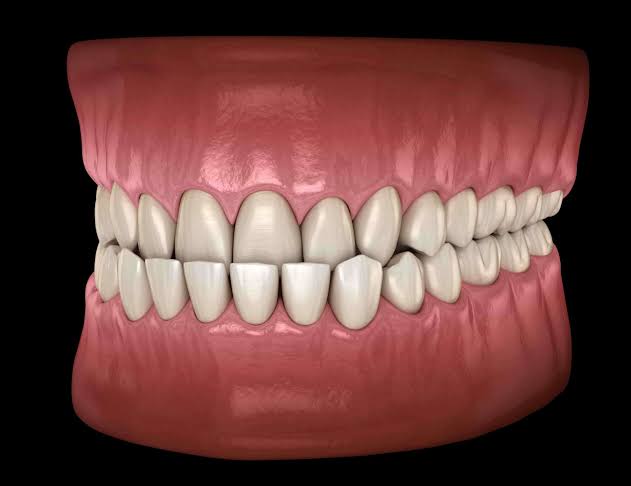
Malocclusion simply means that the upper and lower teeth do not meet in an ideal or comfortable way. One tooth may contact before the others, the front teeth may overlap, or the back teeth may not touch evenly. Many people have some degree of malocclusion without pain, so the presence of an unusual bite does not automatically mean it needs treatment.
A prosthodontist looks at how the teeth meet during ordinary function, not just how they appear when you smile, asking whether the contact pattern is contributing to tooth damage, difficulty chewing, muscle fatigue, or an unstable jaw position.
When the jaw closes against uneven contacts, the muscles may subtly adjust the path of movement, and over time this can make the chewing muscles feel tired or tight, particularly when clenching or grinding is also present. TMD is a broad term for conditions involving the jaw joints, chewing muscles, or both, and symptoms may follow an injury, muscle overuse, arthritis, sleep-related grinding, stress, or changes in how a person experiences pain.
That is why changing the bite should not be the automatic first step; a careful diagnosis comes first because an irreversible adjustment may fail to help when the main source of pain lies somewhere else.
Recognizing Symptoms That Deserve an Evaluation
Jaw symptoms can be mild and temporary, or they can interfere with eating, speaking, and sleep. A single painless click is often different from a jaw that locks, becomes difficult to open, or grows steadily more painful.
Pain near the ears, cheeks, temples, or jawline may come from the joint or the muscles used for chewing, and stiffness after waking, limited opening, and tenderness when pressing on the facial muscles are useful details to report. Seek prompt guidance if the jaw becomes stuck, opening is sharply limited, or swelling follows an injury.
A new bite sensation can feel surprisingly noticeable—the front teeth may touch differently, one side may contact sooner, or the jaw may shift when you close. Such a change may follow tooth movement, a broken filling, a crown, inflammation, or joint-related movement.
Grinding and clenching can also flatten biting surfaces, chip enamel, and aggravate sensitivity, and a partner may report nighttime grinding, or you may wake with tired jaw muscles or tender teeth. Difficulty chewing, avoiding certain foods, or changing how you open your mouth are practical reasons to schedule an evaluation with our prosthodontics team.
How a Prosthodontist Diagnoses Malocclusion
Diagnosis usually begins with conversation and a focused examination rather than an immediate recommendation for extensive dental work. The clinician may ask when the pain or bite change started, whether it is constant, and what makes it better or worse. Previous orthodontics, fillings, crowns, tooth loss, trauma, sleep problems, medications, and habits such as gum chewing may all be relevant. The examination may include looking for cracks, wear facets, loosened restorations, missing teeth, and areas of sensitivity, along with observing how the jaw opens and closes and gently evaluating the chewing muscles and joint areas.
Digital scans can record the shape of the teeth and help document how restorations or tooth wear change over time, and X-rays or other imaging may be considered when the examination suggests a dental, joint, bone, or structural concern.
These results should be read alongside the history and examination, since an image can show anatomy but does not by itself prove that a particular finding is causing pain. A prosthodontist may decide that the bite is a contributing factor, a secondary issue, or unrelated to the primary complaint, since joint inflammation, muscle pain, nerve sensitivity, arthritis, dental infection, and referred pain can all produce overlapping symptoms.
Conservative Treatments for Bite-Related TMJ Symptoms
When symptoms are mild or the cause is not fully settled, treatment often starts with measures that do not permanently alter the teeth. A clinician may suggest temporarily choosing softer foods, taking smaller bites, avoiding gum and hard candies, and keeping the teeth slightly apart when not eating.
Pay attention to posture and daytime clenching, especially during concentrated work, since habit changes are most useful when they are specific and realistic.
A custom oral appliance may protect teeth from grinding or provide a temporary, controlled way to manage contact between the arches, though it should be designed and adjusted for the individual since an uncomfortable or poorly fitting device can create new problems.
Grinding can happen during sleep, while clenching is also common during the day, so the plan may include awareness exercises, sleep assessment, stress-management strategies, or gentle jaw care. Some people benefit from working with a physical therapist familiar with jaw, neck, and posture-related concerns, and a physician, sleep professional, or behavioral health clinician may also be involved when symptoms extend beyond the teeth and jaw.
Restoring Damaged Teeth to Improve Function
Restorative dentistry may be considered when tooth wear, fractures, decay, or missing teeth affect chewing or leave the bite unstable. The purpose is not simply to make every tooth the same height; it is to repair disease and damage while preserving as much healthy structure as possible.
Small areas of damage may need only monitoring or a conservative repair, while a cracked tooth, severe wear, or a missing tooth may require a more involved plan depending on its location and the forces placed on it.
Crowns cover and protect a substantially weakened tooth, while bridges replace a missing tooth using neighboring teeth for support; fillings restore limited areas of decay, and implants replace a tooth root before a crown is attached. The choice depends on the tooth's condition, bone and gum health, space, hygiene, expected forces, and your preferences, and our doctors, including Dr. Russell Johnson, can walk you through which option fits your case. A stable bite does not mean that every contact must be perfectly equal—it means the teeth, restorations, muscles, and joints can function together without an avoidable source of instability, so selective reshaping should be approached cautiously because enamel does not grow back.
When Orthodontic or Full-Mouth Treatment May Be Needed
Some bite problems involve tooth position across several areas of the mouth rather than one damaged tooth. Orthodontic movement can sometimes improve alignment, while restorative treatment may rebuild teeth that have already lost structure, and in complex cases the plan may combine both approaches in a carefully sequenced order.
Moving teeth is not a guaranteed cure for TMD, particularly when the main problem is muscular or joint-related, so the clinician should explain the functional reason for movement and how success will be assessed.
Full-mouth rehabilitation may involve many teeth and several types of treatment, and it is generally reserved for substantial damage, widespread tooth loss, severe wear, or a functional problem that cannot be addressed with a limited repair. Because the treatment is extensive,
the clinician should identify which findings are certain and which are assumptions, and a staged approach can reveal how the patient responds before every permanent restoration is completed. Orthodontic movement can take months or longer, while restorative care may require several visits and healing periods, so ask how progress will be measured and which parts of the plan can be paused or changed.
Making a Safe Treatment Plan for TMJ and Bite Problems
A safe plan connects the diagnosis to a proportionate intervention, considering pain, function, tooth health, joint findings, preferences, cost, and the possibility that more than one condition is present. For many patients, the most responsible path is gradual: start with information and reversible care, monitor the response, and reserve permanent changes for situations in which the expected benefit is clear enough to justify the risk.
A proposed bite change may sometimes be explored with temporary material, a diagnostic setup, or an appliance, and the patient can then report whether chewing, comfort, speech, and appearance improve or worsen before enamel is removed or permanent restorations are made.
Referral may be appropriate when there is significant trauma, suspected joint disease, persistent locking, severe limitation, neurological symptoms, or pain that does not fit a dental explanation.
Surgery is not the routine first treatment for ordinary bite discomfort and is considered only after the condition and expected benefit have been evaluated carefully. Follow-up visits help determine whether symptoms, tooth contacts, muscle tenderness, and appliance wear are moving in the intended direction, and if the original explanation no longer fits, a good clinician should revisit the diagnosis instead of automatically adding another procedure. To discuss your symptoms with our team, visit our Contact page.
Conclusion
TMJ and bite problems can overlap, but they are not interchangeable diagnoses. A prosthodontist evaluates the teeth, joints, muscles, habits, and medical context before recommending care, often beginning with conservative and reversible measures. When restoration or orthodontic treatment is appropriate, careful testing and realistic expectations help protect healthy structure while pursuing better comfort and function.
Frequently Asked Questions
Can a bad bite cause TMJ pain?
An uneven bite may contribute to jaw strain in some people, especially when clenching, grinding, tooth damage, or muscle tension is also present. It is not the only possible cause, so an examination is needed before linking pain to bite position.
Does clicking in the jaw always require treatment?
A painless click that does not limit movement may not need treatment. Pain, locking, swelling, reduced opening, or a worsening pattern deserves an evaluation so the cause can be assessed.
What does a prosthodontist do for bite problems?
A prosthodontist evaluates tooth structure, restorations, tooth contacts, chewing function, and related jaw symptoms. Depending on the findings, care may include monitoring, conservative treatment, restorative work, or coordination with another specialist.
Should I get a mouth guard for jaw pain?
A mouth guard may help protect teeth or reduce the effects of grinding for some patients, but it should be selected and monitored appropriately. An appliance is not suitable for every cause of jaw pain and may need adjustment if symptoms change.
Can crowns or fillings fix TMJ symptoms?
Restorations can repair damaged teeth and may improve chewing when lost tooth structure is part of the problem. They do not reliably resolve jaw symptoms caused by muscles, joints, injury, or another medical condition.
Is orthodontic treatment a cure for TMD?
Orthodontics can improve tooth alignment and create a more functional arrangement in selected cases. It is not a guaranteed cure for TMD, since jaw symptoms may have causes unrelated to tooth position.
When should jaw pain be evaluated?
Schedule an evaluation when pain persists, chewing becomes difficult, the jaw locks, the bite changes suddenly, or tooth wear and sensitivity are increasing. According to the American Dental Association, a step-by-step approach starting with simple treatment is often recommended for TMJ disorders before more involved options are considered.
About the Author
Washington State Prosthodontics & Dental Implant Center is located at 1370 116th Ave. NE, Ste. 212, Bellevue, WA. The practice is led by board-certified prosthodontists Dr. Russell Johnson and Dr. Michael Johnson, along with Dr. Pi Yu Hsu, who together bring extensive specialty training in bite analysis, restorative dentistry, and complex prosthodontic care to patients throughout the greater Seattle area.
Disclaimer
The information provided in this article is for educational purposes only and does not constitute professional medical or dental advice, diagnosis, or treatment recommendations. Whether your symptoms are related to your bite, your jaw joints, or another cause can only be determined through an in-person evaluation. Always consult your dentist with any questions regarding your treatment.
Blog Post Author

Contributed by DentalROI
DentalROI provides relevant dental content to help providers educate patients. The statements, services, and products referenced in this article have not been evaluated by the Food and Drug Administration, and they are not intended as a substitute for professional medical advice, diagnosis, or treatment. Always seek the advice of your dental provider with any questions or issues you may have. Specific recommendations may vary in different circumstances, so individual consultation is important.