
Understanding Dental Implant
Understanding Dental Implants
Missing teeth can make it difficult to chew food, speak clearly, and feel confident about your smile. Dental implants offer a strong, natural-looking solution to replace missing teeth.
Key Takeaways
- There are three main types of dental implants: Endosteal, Subperiosteal, and Zygomatic.
- Endosteal implants are the most common and are placed directly into the jawbone.
- Subperiosteal implants sit on top of the jawbone and are used when bone density is low.
- Zygomatic implants are anchored in the cheekbone for severe upper jaw bone loss.
- The best implant type depends on bone health and dentist recommendation.
What Are Dental Implants and Why They Matter
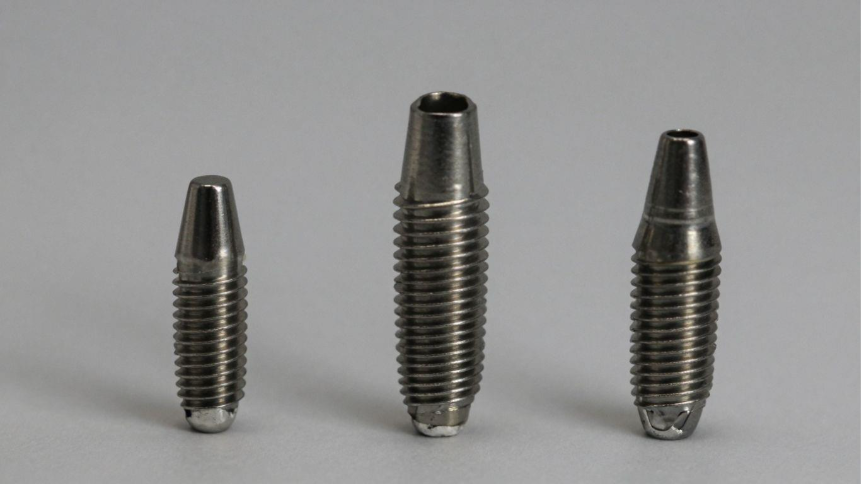
Dental implants are artificial tooth roots, usually made of titanium, that are surgically placed into the jawbone. They support crowns, bridges, or dentures and function like natural teeth.
- Restored Function: Eat and speak comfortably.
- Natural Appearance: Designed to match your natural teeth.
- Durability: Can last many years with proper care.
- Bone Preservation: Prevents jawbone loss.
Type 1: Endosteal Implants
Endosteal implants are the most commonly used dental implants. They are placed directly into the jawbone and act as artificial tooth roots.
- Placed directly into the jawbone
- High success rate
- Ideal for patients with healthy bone density
- Long-lasting and durable
Type 2: Subperiosteal Implants
Subperiosteal implants sit on top of the jawbone but underneath the gum tissue. They are recommended for patients who do not have enough jawbone for traditional implants.
- No bone grafting required
- Less invasive than endosteal implants
- Faster healing time
- Supports multiple teeth
Type 3: Zygomatic Implants
Zygomatic implants are used in cases of severe bone loss in the upper jaw. These implants are anchored into the cheekbone instead of the jawbone.
- Ideal for severe upper jaw bone loss
- Avoids bone grafting
- Anchored in the cheekbone
- Temporary teeth can often be placed the same day
Choosing the Right Dental Implant
The right dental implant depends on your jawbone health, oral condition, and treatment goals. Your dentist will evaluate your bone density and recommend the most suitable option. Contact today to learn more about dental implants and visit WSPDIC to discover the best solution for replacing missing teeth.
Frequently Asked Questions
Are dental implants painful?
The procedure is usually painless due to anesthesia. Mild discomfort afterward is normal and temporary.
How long do dental implants last?
With proper care, dental implants can last 15 years or even a lifetime.
Can implants replace all missing teeth?
Yes, implants can replace single teeth, multiple teeth, or support full dentures.
Blog Post Author

Contributed by DentalROI
DentalROI provides relevant dental content to help providers educate patients. The statements, services, and products referenced in this article have not been evaluated by the Food and Drug Administration, and they are not intended as a substitute for professional medical advice, diagnosis, or treatment. Always seek the advice of your dental provider with any questions or issues you may have. Specific recommendations may vary in different circumstances, so individual consultation is important.