
Understanding the Dental Implant Arch Structure
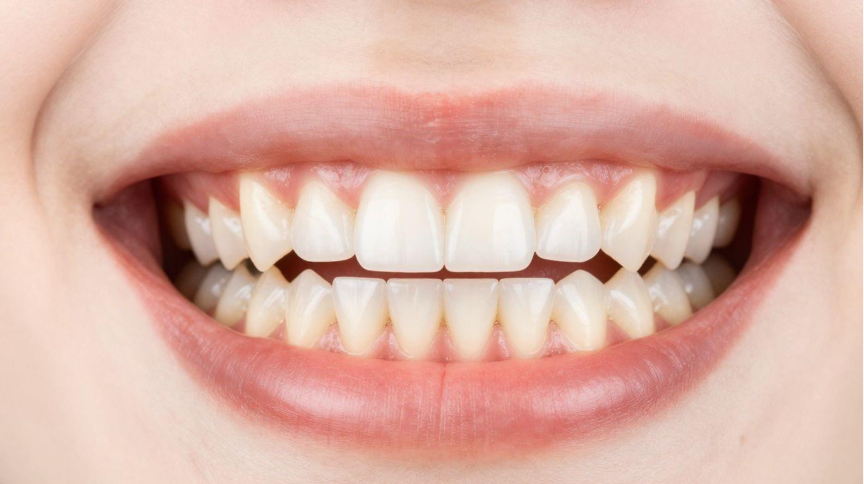
If you're looking into options for replacing several or all of your teeth, you've probably heard the term 'dental arch.' Understanding what an arch means in the context of dental implants is key to grasping how these procedures work to restore a full set of upper or lower teeth. Think of it as a complete smile solution, anchored securely and designed to bring back your bite, your confidence, and your ability to enjoy life's simple pleasures.
Key Takeaways
- In dentistry, an "arch" refers to the natural curved arrangement of teeth in either your upper or lower jaw. When discussing dental implants, an "arch" means a full set of replacement teeth for the entire upper or lower jaw.
- The mouth has two arches: the upper (maxillary) and the lower (mandibular). Dental implant arch restorations focus on replacing all the teeth within one of these arches.
- Full-arch implant restorations typically use a specific number of implants, often four to six, strategically placed to support an entire bridge or set of prosthetic teeth, rather than one implant per tooth.
- Replacing a full arch with implants offers significant benefits, including restored chewing ability, improved facial structure, a natural look and feel, and long-term stability compared to traditional dentures.
- The process involves an evaluation of your oral health and jawbone, implant placement, a healing period for osseointegration, and finally, the attachment of your custom-made prosthetic arch of teeth.
Understanding the Natural Dental Arch
Before we get into restoring smiles with implants, it's helpful to know what we're working with – the natural dental arch. Think of your mouth as having two main sections, or arches, for your teeth. There's the upper arch, which is part of your upper jawbone, and the lower arch, part of your lower jawbone. Each of these arches holds a full set of teeth, arranged in a curved shape.
These arches aren't just for holding teeth; they're pretty important for how you live day-to-day. They support your ability to chew food properly, help you speak clearly, and even contribute to the structure of your face. When all your teeth are present and healthy, they work together in a balanced way, creating a stable bite.
The arrangement and health of your natural teeth within these arches are key to maintaining proper function and appearance.
- Upper Arch (Maxillary Arch): This is the set of teeth in your upper jaw. It's generally a bit wider than the lower arch.
- Lower Arch (Mandibular Arch): This is the set of teeth in your lower jaw. It's known for being more stable and moves during chewing.
Understanding these natural structures is the first step in appreciating how dental implant solutions can rebuild a complete smile. It helps explain why treatments are often planned around restoring either the upper, the lower, or sometimes both arches. This approach aims to recreate the natural form and function lost due to missing teeth, providing a stable foundation for a healthy mouth. Restoring a full arch with implants can bring back that natural chewing ability, allowing you to enjoy a wide variety of foods again, much like you would with your original teeth [f610].
The natural dental arch is a complex system where teeth work in harmony to support chewing, speech, and facial structure. Its integrity is vital for overall oral health and function.
What Is a Dental Implant Arch Restoration?
When people talk about a dental implant arch restoration, they're essentially referring to a full set of replacement teeth for either your upper or lower jaw, all supported by a few strategically placed implants. Think of your natural teeth – they form a curve, or an arch, in your mouth. A dental implant arch restoration aims to recreate that natural curve and function when many or all teeth are missing.
So, what is considered an arch in dental implants? It's the entire row of teeth in one jaw – either the top (maxillary arch) or the bottom (mandibular arch). Instead of placing an implant for every single missing tooth, which can be costly and time-consuming, an implant arch uses a smaller number of implants, typically four to six, to anchor a complete bridge or denture. This approach is designed to give you back a full, stable smile.
- Upper Arch: This refers to the restoration of all teeth in the upper jaw.
- Lower Arch: This refers to the restoration of all teeth in the lower jaw.
This method is a significant step up from traditional dentures because it provides a fixed, stable solution. The implants are surgically placed into the jawbone, and once healed, they provide a strong foundation for your new teeth. This means no more worrying about dentures slipping or feeling loose when you eat or talk.
Restoring a full dental arch with implants means you get a stable, functional, and natural-looking set of teeth that can last for many years. It's about bringing back your ability to eat comfortably, speak clearly, and smile with confidence.
This type of restoration is a fantastic option for individuals who have lost multiple teeth or are experiencing issues with failing teeth. It's a way to get a complete smile makeover, addressing both the aesthetic and functional aspects of missing teeth. The goal is to provide a long-term solution that feels and looks like your natural teeth, improving your overall quality of life. You can learn more about the restoration phase after implants are placed.
How Implant Arches Work Together as a System
When we talk about a dental implant arch, we're really looking at how a whole set of replacement teeth functions as one unit. Think of it like a bridge, but for your mouth. Instead of individual implants for every single missing tooth, a few strategically placed implants act as anchors. These anchors support a full bridge or denture that replaces all the teeth in either your upper or lower jaw.
This system is designed to mimic the natural structure and function of your teeth. The implants themselves are titanium posts surgically placed into the jawbone. Over time, your bone fuses with these posts, a process called osseointegration. This creates a super stable foundation, much like natural tooth roots. The replacement teeth are then attached to these implants, forming a complete, stable arch.
- Strategic Implant Placement: Typically, 4 to 6 implants are used to support an entire arch. Their exact placement is determined by the density of your jawbone and the planned restoration.
- Osseointegration: This is the critical healing phase where the jawbone grows onto and around the implants, making them a permanent part of your jaw.
- Prosthetic Attachment: Once healing is complete, a custom-made bridge or denture is securely attached to the implants. This prosthetic is designed to look, feel, and function like natural teeth.
This integrated system means that the forces of chewing are distributed evenly across the implants and the jawbone. It's a significant upgrade from traditional dentures, which can sometimes shift or put uneven pressure on the gums. The goal is to restore not just your smile's appearance but also its full functionality, allowing you to eat, speak, and smile with confidence. This approach provides a complete solution for restoring the function and aesthetics of an entire jaw, going beyond single-tooth replacements. This approach provides a renewed sense of confidence and well-being for patients seeking comprehensive dental restoration.
The beauty of an implant arch system lies in its ability to restore a full set of teeth using a minimal number of implants, creating a stable and natural-feeling replacement.
Patient Benefits of a Dental Implant Arch
Getting a dental implant arch can really change things for the better. For starters, it brings back your ability to eat pretty much anything you want. Think biting into a juicy apple or enjoying a tough steak without a second thought. Your speech also gets clearer because your tongue and lips have a stable surface to work with again. It’s not just about eating and talking, though.
- Restored Functionality: Eat, speak, and smile with confidence.
- Preserved Facial Structure: Prevents jawbone loss and maintains facial contours.
- Comfort and Stability: Eliminates the issues of slipping or discomfort associated with dentures.
- Long-Term Solution: A durable option that can last for many years with proper care.
Beyond the physical changes, there’s a significant boost in confidence. You won’t have to worry about dentures shifting or clicking, which can be embarrassing. This stability means you can laugh, talk, and engage in social activities without hesitation. It’s a way to get back to enjoying life more fully. Many patients find that full-arch implants offer a fast way to restore their smile, often in just a few appointments.
The process is designed to feel secure and natural, giving you back a smile that looks and feels like your own. It’s about more than just replacing teeth; it’s about restoring your quality of life and self-assurance.
The Process of Receiving a Dental Implant Arch
Getting a dental implant arch is a journey, not just a single appointment. It starts with a thorough check-up to see if this is the right path for you. Your dentist will look closely at your jawbone health, gum condition, and existing teeth. They'll use advanced imaging, like 3D scans, to get a really clear picture of your mouth's structure. This helps them figure out exactly how many implants are needed and where they should go.
Once the plan is set, the next step involves placing the titanium implants into your jawbone. These act as the new roots for your teeth. For a full arch, this usually means placing about four to six implants strategically. It sounds like a lot, but it's designed to provide a super stable base for your new smile.
After the implants are in, there's a healing period. This is where a really cool biological process called osseointegration happens. Your jawbone actually grows and fuses with the titanium implants, making them a permanent part of your structure. This can take a few months, and it's pretty important for the long-term success of your implant arch.
Finally, once everything has healed nicely, your custom-made arch of teeth is attached. This prosthetic is designed to look and feel just like natural teeth. The result is a fully functional, stable, and attractive smile that can last for many years.
- Initial Consultation & Planning: This is where the assessment and imaging happen. It might take one or two visits.
- Implant Placement Surgery: The surgical procedure to place the implants.
- Healing Period: Typically 3-6 months, allowing for osseointegration.
- Prosthetic Attachment: The final step where your new teeth are secured.
It's important to remember that everyone's situation is a bit different. Your dentist will walk you through each stage, explaining what to expect and answering any questions you might have along the way. The goal is to make you feel comfortable and confident throughout the entire process.
Your Smile, Restored
So, that's the basic idea behind dental implant arches. It's all about giving you back a full set of teeth, whether it's your top row, your bottom row, or both. The goal is to make things feel stable and look natural again, so you can eat, talk, and smile without a second thought. Thinking about implant arches is a big step, and understanding how they work is the first part of getting your smile back on track. If you're curious about what might work for you, chatting with your dentist is the best way to figure out the next steps.
Frequently Asked Questions
-
What exactly is a dental arch?
Think of your teeth as being arranged in a curve, like a bow. This curve is called a dental arch. You have two of these arches in your mouth: one for your upper teeth and one for your lower teeth. When dentists talk about an implant arch, they mean a full set of replacement teeth for either your top or bottom jaw, all supported by implants.
-
How many implants are typically needed for a full arch?
For a full arch restoration, dentists usually place between four to six implants. These implants act like strong roots for your new teeth. The exact number can depend on factors like how strong your jawbone is and how much pressure your bite creates.
-
What's the difference between an upper and lower arch implant?
While both restore a full set of teeth, there are some differences. The bone in the upper jaw might be softer and sometimes needs extra support or a special procedure. The lower jaw often has denser bone, which can lead to faster healing and a very stable result.
-
How long do full-arch implants usually last?
With proper care, like brushing and regular dental visits, implant-supported arches can last for many, many years, often decades. The implant posts themselves can last a lifetime, though the artificial teeth on top might need to be replaced after a long time due to normal wear and tear.
-
Is the recovery process for full-arch implants difficult?
Most people can get back to their daily routines fairly quickly after the surgery, often within a few days. However, it takes several months for the implants to fully fuse with your jawbone, which is called osseointegration. Your dentist will guide you on what to expect during healing.
-
Are full-arch implants a good investment?
Yes, many people find them to be a worthwhile investment. They offer a very stable, natural-looking, and long-lasting solution for missing teeth. This can greatly improve your ability to eat, speak, and smile with confidence, making a big difference in your overall quality of life.
Blog Post Author

Contributed by DentalROI
DentalROI provides relevant dental content to help providers educate patients. The statements, services, and products referenced in this article have not been evaluated by the Food and Drug Administration, and they are not intended as a substitute for professional medical advice, diagnosis, or treatment. Always seek the advice of your dental provider with any questions or issues you may have. Specific recommendations may vary in different circumstances, so individual consultation is important.