What Are the Risks of Delaying Treatment for a Broken Tooth?
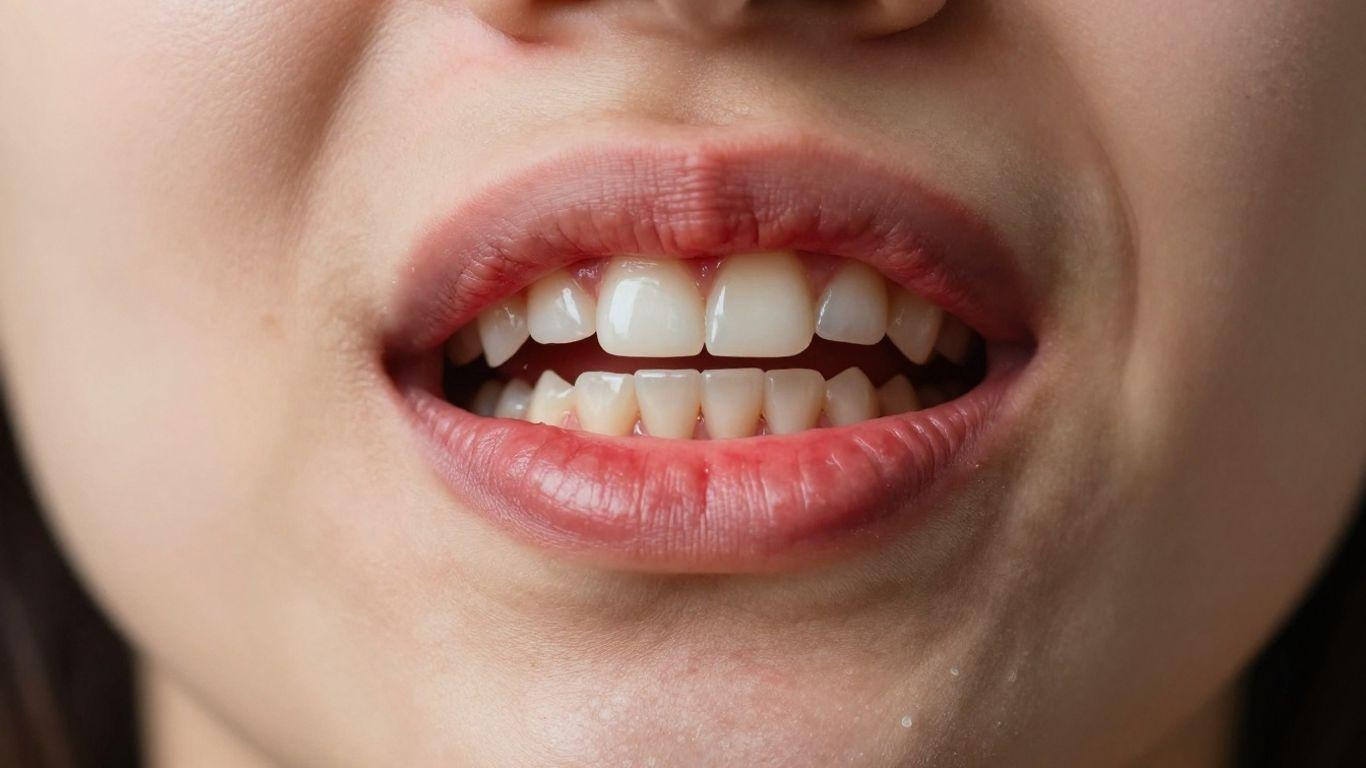
So, you've got a chipped or broken tooth. Maybe it doesn't hurt much, or the pain comes and goes. It's easy to think, 'I'll get it checked out later.' But honestly, that's not the best idea. The risks of delaying treatment for a broken tooth can actually turn a small problem into a much bigger, more painful, and way more expensive one.
Can a broken tooth heal on its own without treatment?
Nope, not really. Unlike a cut on your skin, a broken tooth can't just magically repair itself. The enamel, which is the hard outer shell, doesn't grow back. Once it's cracked or a piece breaks off, that damage is permanent. Your body can't rebuild that part of the tooth. So, while the initial pain might subside for a bit, the underlying issue is still there, just waiting to cause more trouble.
How quickly can an untreated broken tooth become a serious problem?
It's hard to put an exact timeline on it because it depends on how bad the break is and how well you take care of it (or don't). But things can go downhill pretty fast. Bacteria love getting into those little cracks and exposed inner parts of the tooth. What starts as a minor sensitivity can quickly turn into a throbbing ache. Within weeks, or sometimes even sooner, you could be looking at:
- Increased Sensitivity: Hot, cold, or even sweet things start to really bother the tooth.
- Pain When Chewing: Biting down might become uncomfortable or downright painful.
- Visible Decay: Bacteria can start breaking down the tooth structure, making the damage worse.
Can a broken tooth lead to infection or tooth loss if ignored?
Absolutely. This is one of the biggest worries. When bacteria get inside the tooth through a break, they can cause an infection. This infection can spread down to the root and form an abscess, which is basically a pocket of pus. An abscess is super painful and can cause swelling in your jaw or face. If that infection isn't treated, it can spread further into your jawbone, neck, or even into your bloodstream, which is a really serious health risk. In the worst-case scenario, the damage and infection can become so bad that the tooth can't be saved at all, leading to extraction and tooth loss.
What are the signs that a broken tooth needs emergency care?
Sometimes, a broken tooth is obvious, but other times it's more subtle. You should definitely seek immediate dental care if you notice any of these:
- Severe Pain: If the pain is intense, constant, or keeps you up at night.
- Swelling: Any puffiness in your gums, jaw, or face around the affected tooth.
- Fever: This can be a sign of a spreading infection.
- A Loose Tooth: If the broken tooth feels wobbly.
- Bad Taste or Odor: This could indicate an abscess or infection.
What are the risks of delaying treatment for a broken tooth?
Basically, delaying treatment means you're giving the problem more time to get worse. What might have been a simple fix, like a filling or a small bonding procedure, could turn into needing a crown, a root canal, or even an extraction. The longer you wait, the more invasive and costly the treatment usually becomes. Plus, you're prolonging the pain and the risk of infection. It's just not worth the gamble.
What Happens if You Leave a Broken Tooth Untreated?
Leaving a broken tooth untreated can bring about a bunch of problems that most people don’t expect at first. The damage goes way beyond that annoying sharp edge or that flash of pain when you bite down. Even if it feels like no big deal now, things can (and usually will) get worse fast.
How quickly can an untreated broken tooth become a serious problem?
A cracked or broken tooth might turn from a small annoyance to a major dental emergency in a matter of days or weeks. A lot depends on what broke the tooth and how deep the damage goes, but here’s what typically happens:
- Within the first few days: You might feel sensitivity to hot or cold or pain when chewing, but sometimes there’s no pain at all.
- After a week or two: Bacteria may reach the deeper layer of the tooth, leading to infection and possible swelling.
- A few weeks later: Infection could spread, leading to more pain, gum swelling, and even fever in severe cases.
Here's a quick table showing how things can progress:
| Timeframe | What Happens If You Leave a Broken Tooth Untreated |
|---|---|
| 0–7 days | Sensitivity, rough edge irritation, maybe no pain at all |
| 1–3 weeks | Increased pain, swelling, risk of infection begins |
| 3+ weeks | Infection, abscess, systemic illness, tooth loss possible |
It's surprising how a minor tooth chip can quietly grow into a full-blown infection that ruins your weekend and possibly your wallet.
If you keep asking yourself, what happens if you leave a broken tooth untreated, just remember: the longer you wait, the riskier, more complicated, and more expensive it gets. Nobody plans for a dental infection — but delaying treatment is almost a guarantee you'll end up dealing with one eventually.
Broken Tooth Left Untreated — Consequences You Should Know
So, you've got a broken tooth. Maybe it's a tiny chip, or maybe a bigger chunk decided to peace out. It might not be screaming in pain right now, and that's where the trouble can start. Thinking it'll just sort itself out is a gamble you don't want to take. The broken tooth left untreated consequences can sneak up on you, turning a small issue into a much bigger headache.
Can a broken tooth lead to infection or tooth loss if ignored?
Yep, absolutely. Think of that break or crack as an open door for tiny invaders – bacteria. Once they get inside, they can start causing all sorts of problems. It's not just about a toothache; these little guys can spread.
Here's a look at what can happen:
- Infection Spreads: Bacteria can get into the inner parts of your tooth, like the pulp where the nerves are. This can lead to a nasty infection, sometimes forming a pocket of pus called an abscess. You might notice swelling in your gums or even your face, and sometimes a fever can kick in if things get really bad.
- Tooth Decay Accelerates: That crack isn't just a cosmetic issue. It weakens the tooth's structure and makes it way easier for decay to set in and spread faster than it normally would.
- Pain Gets Worse: That initial lack of pain? It might just mean the nerve is dying off, which is actually a bad sign. The pain often comes back, and when it does, it can be way more intense and persistent, making it hard to eat, sleep, or just function normally.
- Tooth Loss Becomes Likely: If the damage gets too bad, or if an infection isn't treated, the tooth might become too weak to save. This could mean needing to have it pulled, which then opens up a whole new set of issues like shifting teeth and problems with your bite.
Ignoring a broken tooth is like ignoring a small leak in your roof. It might seem minor at first, but over time, it can cause significant damage that's much harder and more expensive to fix.
Basically, that little break can snowball. What might have been a simple fix, like a filling or a small bonding procedure, can turn into needing a root canal or even an extraction if you wait too long. It's always better to get it checked out sooner rather than later to avoid these more serious broken tooth left untreated consequences.
Dangers of Ignoring a Cracked or Broken Tooth
So, you've got a chipped or broken tooth. Maybe it doesn't hurt much, or the pain comes and goes. It's easy to think, 'I'll get to it later.' But honestly, putting off a visit to the dentist for a damaged tooth is a bad idea. The dangers of ignoring a cracked or broken tooth are more serious than you might think, and they can sneak up on you.
Think of your tooth's hard outer shell, the enamel. It's like your body's armor. Once that's cracked or broken, it's game over for that protection. Bacteria, which are everywhere in your mouth, suddenly have a highway straight into the softer, more sensitive parts of your tooth – the dentin and the pulp where all the nerves live. This is where the real trouble starts.
Here's what can happen if you just let it slide:
- Infection Central: Those sneaky bacteria can set up shop inside your tooth. This can lead to a nasty infection, sometimes forming a pocket of pus called an abscess. You might notice swelling around your gum or jaw, a persistent ache, or even a bad taste in your mouth. If an infection gets really bad, it can even spread to other parts of your body, which is definitely not good.
- Pain That Won't Quit: Even if it's not hurting right now, that crack is a weak spot. Biting down, especially on something hard, can send sharp pains shooting through your mouth. Sensitivity to hot or cold drinks can become a daily annoyance. And sometimes, the pain might even go away for a bit if the nerve inside the tooth starts to die off – but that's not healing, that's a sign things are getting worse.
- The Tooth Gets Weaker: A crack doesn't just stay a crack. Over time, it can spread. What started as a tiny chip could eventually break off more of the tooth. This makes it harder and harder for the dentist to fix. What could have been a simple filling or a quick bonding procedure might turn into needing a crown, a root canal, or even pulling the tooth out entirely.
- It Affects More Than Just That Tooth: A damaged tooth can throw off your whole bite. It can also irritate your tongue or cheeks, leading to sores. Plus, the bacteria from the infected tooth can spread to your other teeth or gums, causing more problems down the line.
It's easy to underestimate a broken tooth, especially if it's not causing a lot of pain right away. But the damage is still there, and it's usually getting worse, not better. Ignoring it is like ignoring a small leak in your roof – it might seem minor now, but it can lead to major water damage later.
The bottom line is, even a small break or crack in your tooth is a sign that you need to see a dentist. Don't wait for the pain to get unbearable or for a bigger problem to develop. Getting it checked out quickly is the best way to avoid more serious issues and keep your smile healthy.
Broken Tooth Risks if Not Treated Promptly — What Dentists Warn About
When you put off seeing a dentist for a broken tooth, you’re rolling the dice with your health, comfort, and even your wallet. Dentists talk a lot about the risks of not fixing a broken tooth right away, but let’s break down exactly what can happen if you just leave it alone.
The longer you ignore a broken tooth, the more likely you are to face real trouble — and often, more expensive and painful fixes.
Here’s what you might be risking if you don’t get that tooth checked out:
- Higher chance of getting a nasty infection. Bacteria love sneaking in through cracks or breaks, which can lead to swollen gums, an abscess, or even infection spreading into your jaw or bloodstream.
- Rapid decay or further breakage. A small chip can turn into a full crack, or the tooth could break apart entirely, making it much harder (and pricier) to fix later.
- Tooth loss. Delay long enough and saving the tooth can go from hard to impossible, especially if infection or breakage destroys the structure.
- Pain that keeps coming back. Maybe the tooth feels okay now, but pain is almost guaranteed to pop up again, often stronger each time.
- Bigger dental bills. Procedures get more involved and more costly as the problem gets worse. What could have been a simple filling or bonding can quickly turn into a root canal or even an extraction and dental implant.
Here’s a quick look at how treatment needs and costs can escalate if a broken tooth is ignored:
| Time Without Treatment | Possible Treatments Needed | Likely Cost Range |
|---|---|---|
| Within Few Days | Filling, Bonding | $100 - $400 |
| 1-2 Weeks | Crown, Root Canal | $800 - $2,500 |
| 1 Month or Longer | Extraction, Implant/Bridge | $1,500 - $6,000+ |
Don’t wait for the pain to make your decision for you. Quick action can save your tooth, keep costs down, and keep the hassle to a minimum. Broken tooth risks if not treated promptly are just not worth the gamble—so if your tooth is damaged, reach out to your dentist and get it sorted before things go sideways.
Conclusion
So, a broken tooth isn't just a little chip that you can forget about. It's a real problem that can get worse fast if you don't get it checked out. Ignoring it can lead to more pain, nasty infections, and even losing the tooth altogether. It's way better to see your dentist sooner rather than later. They can usually fix it up easily if you catch it early, saving you a lot of hassle and money down the road. Don't wait for the pain to get bad – get it looked at!
Frequently Asked Questions
Can a broken tooth fix itself?
Nope, a broken tooth can't heal on its own. Think of it like a broken bone; it needs a dentist to put it back together properly. If you leave it, it can actually get worse and lead to other problems.
How fast can a broken tooth become a big issue?
It can happen faster than you think! Even a small crack can let tiny germs get inside the tooth. These germs can cause an infection, which can spread. You might not feel much at first, but things can get serious pretty quickly, sometimes in just a few days or weeks.
What happens if I don't get my broken tooth fixed?
If you ignore a broken tooth, it can lead to a painful infection, like an abscess. This infection can spread to other parts of your body, which is really dangerous. You might also end up needing much more complicated and expensive treatments, or even lose the tooth completely.
Can a broken tooth cause me to lose it?
Yes, definitely. If the break is bad or if an infection takes hold and isn't treated, the tooth can become too damaged to save. It might need to be pulled out. Getting it fixed early gives you the best chance to keep your natural tooth.
What are the signs that I need to see a dentist right away for a broken tooth?
You should see a dentist ASAP if you have bad pain, swelling in your gums or face, a tooth that feels loose, or if you see any pus. Basically, if it hurts a lot or looks infected, don't wait around. Go get it checked out.
Does a broken tooth always hurt?
Not always. Sometimes, the pain might go away for a bit, especially if the nerve inside the tooth is dying. But just because the pain stops doesn't mean it's healing. It often means the problem is getting worse inside the tooth, and you still need to see a dentist.
Blog Post Author

Contributed by DentalROI
DentalROI provides relevant dental content to help providers educate patients. The statements, services, and products referenced in this article have not been evaluated by the Food and Drug Administration, and they are not intended as a substitute for professional medical advice, diagnosis, or treatment. Always seek the advice of your dental provider with any questions or issues you may have. Specific recommendations may vary in different circumstances, so individual consultation is important.