What to Eat After Oral Surgery with Stitches
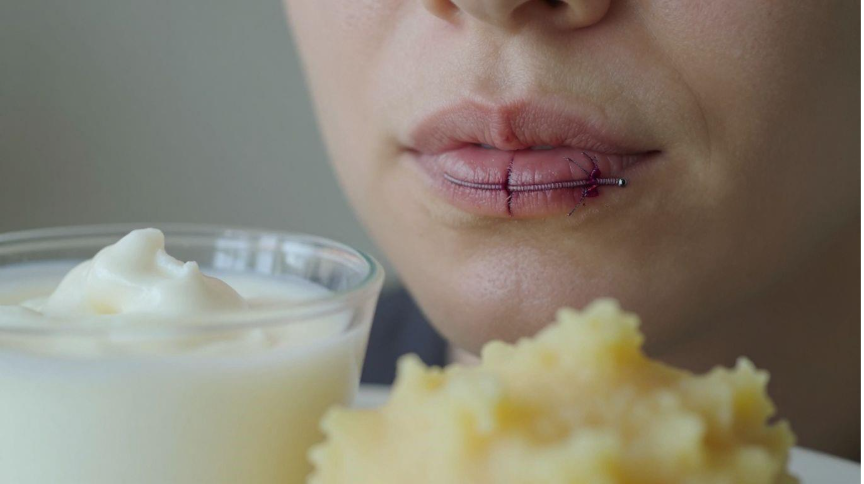
Recovering from oral surgery can feel a bit overwhelming, especially when stitches are involved. What you eat plays a big part in how well and how fast your mouth heals. It’s not just about avoiding pain; it’s about giving your body the right fuel. This guide will walk you through what to eat after oral surgery with stitches, focusing on soft foods that are easy on your mouth and good for your recovery. We'll cover the best soft meals after oral surgery, what soft things to eat after oral surgery, and how to make sure your soft food diet after oral surgery supports your healing journey.
Key Takeaways
- Focusing on a soft food diet after oral surgery is key to protecting stitches and promoting healing. Soft foods require minimal chewing, reducing stress on the surgical site.
- Nutrient-dense soft foods like smoothies, yogurt, mashed potatoes, and pureed soups provide essential vitamins and protein for tissue repair and overall recovery.
- Avoid hard, crunchy, sticky, spicy, and very hot or cold foods, as these can irritate the surgical area, dislodge stitches, or slow down the healing process.
- Staying hydrated is important; sip water throughout the day, but avoid using straws, which can create harmful suction near the stitches.
- Eating smaller, more frequent meals can help maintain energy levels and make eating more comfortable during the initial recovery period.
Understanding Oral Surgery Stitches and Healing
Oral surgery, especially when it involves stitches, requires careful attention to what you eat. These stitches are there to help the surgical site heal properly, keeping things together while new tissue forms. Your diet plays a big role in how well and how fast your mouth recovers.
Think of your stitches as tiny helpers holding things in place. They need a gentle environment to do their job. Foods that are too hard, chewy, or spicy can irritate them, potentially causing discomfort or even disrupting the healing process. This is why choosing the right foods right after surgery is so important. It's not just about feeling comfortable; it's about giving your body the best conditions to repair itself.
Healing after any surgical procedure, including those in the mouth, relies heavily on good nutrition. Your body needs specific nutrients to rebuild tissue and fight off any potential issues. When you have stitches, this need becomes even more pronounced because the surgical area is more delicate.
The first few days after surgery are the most critical for protecting the stitches and the healing site. Focusing on soft, easy-to-manage foods helps prevent any accidental damage and allows the area to begin its recovery undisturbed.
- Protect the Stitches: Avoid foods that could snag, pull, or put pressure on your stitches.
- Nutrient Support: Focus on foods that provide the building blocks your body needs for repair.
- Comfort is Key: Choose foods that are easy to eat and won't cause pain or irritation.
Understanding these basics helps set the stage for choosing the best foods to eat. It’s about making smart choices that support your body’s natural healing abilities. For more on how nutrition aids recovery, you can look into post-surgery nutrition.
Why Post-Surgery Nutrition Matters
Eating after oral surgery, especially with stitches, might not be the first thing you think about when it comes to healing. But honestly, what you put into your body plays a pretty big role in how quickly and comfortably you recover. Think of it like this: your body is working hard to repair itself, and it needs the right building blocks to do that job well.
Proper nutrition helps your body mend tissues and fight off any potential issues. When you're healing, your body uses up more energy and nutrients. Getting enough of the right stuff means your stitches can do their job, and the surgical site can start to close up without a hitch. It's not just about feeling better; it's about giving your body the best possible chance to heal effectively.
- Tissue Repair: Nutrients like protein are key for rebuilding damaged tissues. Without enough, healing can slow down.
- Inflammation Control: Certain foods can help manage swelling and inflammation, making you more comfortable.
- Immune Support: A well-nourished body is better equipped to prevent infections, which is a big concern after surgery.
- Energy Levels: Healing takes energy. Eating nutrient-dense foods helps you maintain your strength without needing to eat large amounts.
Focusing on soft, easy-to-eat foods that are packed with nutrients is the goal. It’s about supporting your body’s natural healing process from the inside out, making the whole recovery journey smoother and faster.
Core Principles for Eating After Oral Surgery
When you're recovering from oral surgery, especially with stitches, what you eat really matters. It's not just about filling your stomach; it's about giving your body the best chance to heal without causing more problems. The main goal is to protect that surgical site while still getting the nutrients you need.
Think soft, think gentle, and think about avoiding anything that could irritate or damage the stitches. This means steering clear of anything hard, crunchy, chewy, or spicy. These types of foods can pull on your stitches, introduce bacteria, or just plain hurt. It’s a bit of a learning curve, and you might find yourself experimenting a little to see what feels okay.
- Prioritize soft textures: Foods that require minimal chewing are your best friend. This helps prevent any strain on the surgical area. Think about things that can be easily mashed or are already liquid.
- Avoid temperature extremes: Super hot or super cold foods can be really uncomfortable and might even slow down healing. Stick to lukewarm or room temperature options.
- Nutrient density is key: Since you might not be eating as much, make sure what you do eat is packed with good stuff. Protein, vitamins, and healthy fats will help your body repair itself.
- Listen to your body: This is probably the most important rule. If something feels uncomfortable or causes pain, stop eating it. Your body will tell you what it can handle.
Eating the right foods helps your body focus its energy on healing, rather than fighting off irritation or infection. It's a proactive step towards a smoother recovery.
Remember, this phase is temporary. By being mindful of your food choices, you're actively contributing to a faster and more comfortable healing process. For more ideas on what to eat, you can check out recommended options.
Best Foods to Eat After Oral Surgery with Stitches
After oral surgery, especially when you have stitches, what you eat really matters for healing and comfort. The main goal is to stick to a soft food diet after oral surgery. This means choosing foods that are easy to swallow and won't irritate your stitches or the surgical site. Think about foods that require little to no chewing.
The first few days are the most critical for letting the initial healing begin. During this time, cool or lukewarm foods are best. Hot foods can disrupt the healing tissue, and anything crunchy or chewy can damage your stitches. So, what are some good soft foods to eat after oral surgery?
- Smoothies and Shakes: These are fantastic because you can pack a lot of nutrition into them without any chewing. Use a base of yogurt, milk, or a dairy-free alternative. Add soft fruits like bananas, berries, or peaches. For extra protein and nutrients, you can blend in a bit of nut butter, chia seeds, or even some oats. Just make sure everything is blended until completely smooth. Consume these cool to help with any swelling.
- Soups and Broths: Warm (not hot!) broths and pureed vegetable soups are great for hydration and getting vitamins. You can add blended-in ingredients like cooked lentils, beans, or soft chicken for protein. Remember to let them cool down to a comfortable temperature before eating.
- Dairy and Dairy Alternatives: Yogurt, pudding, and ice cream (without nuts or crunchy bits) are easy to eat and can be soothing. Opt for plain or mild flavors to avoid irritation.
- Mashed Foods: Think mashed potatoes, mashed sweet potatoes, or applesauce. These are soft, easy to swallow, and provide some energy. You can also mash ripe avocados for healthy fats.
- Soft Cooked Grains: Oatmeal or cream of wheat, prepared with water or milk until very soft, can be a good option. Ensure there are no hard bits.
- Scrambled Eggs: Cooked until very soft and fluffy, scrambled eggs are a good source of protein that’s easy to manage.
When you're looking for soft things to eat after oral surgery, remember that variety helps ensure you're getting a range of nutrients. Protein is especially important for tissue repair, so look for ways to include it in your soft meals, like in smoothies or blended soups. Staying hydrated is also key, so sip on water throughout the day. Just be sure to avoid using straws, as the suction can interfere with healing.
As you move past the initial healing phase, you can slowly start to introduce slightly more textured soft foods, but always listen to your body and your surgeon's advice. The goal is to support your body's healing process without causing any setbacks.
Practical Eating Tips for Comfort and Safety
Eating after oral surgery with stitches can feel a bit tricky, but there are ways to make it easier and safer. The main goal is to protect the healing tissues while still getting the nutrition your body needs to recover. It's really about being mindful of what you're eating and how you're eating it.
Listen to your body; it will tell you what feels right. If something causes discomfort, even if it's on the "safe" list, it's best to avoid it for now. Sometimes, the appetite just isn't there in the first few days, and that's okay. Trying to eat smaller amounts more often can help keep your energy levels up without putting too much strain on your mouth.
- Temperature Matters: Avoid foods that are too hot or too cold. Lukewarm or room temperature is usually best. Extremely hot foods can irritate the surgical site, and very cold items might cause sensitivity or discomfort.
- No Straws Allowed: The suction created when using a straw can dislodge the blood clot that's forming, which is vital for healing. Stick to sipping directly from a cup or using a spoon.
- Chew Carefully (or Not at All): Focus on foods that require little to no chewing. Think smooth, pureed, or mashed textures. If you do need to chew, do it on the opposite side of your mouth from the surgery, if possible, and take very small bites.
- Keep it Clean: After eating, gently rinse your mouth as instructed by your dental professional. This helps remove food particles that could get stuck and potentially cause irritation or infection.
Be patient with yourself during this recovery period. It might take a little trial and error to figure out what works best for your comfort and healing. Don't hesitate to reach back out to your dental provider if you have any concerns about eating or your healing progress.
Remember, avoiding foods that are hard, crunchy, sticky, spicy, or acidic is key to preventing irritation and protecting your stitches. Small, consistent efforts in your eating habits will go a long way in ensuring a smoother recovery.
Wrapping Up Your Recovery Diet
So, that's the lowdown on eating after oral surgery when you've got stitches. It might seem like a hassle at first, but sticking to soft, easy-to-eat foods really makes a difference in how well you heal. Think smooth soups, creamy yogurts, and mashed everything for a while. Remember to keep things cool or lukewarm, and definitely skip anything crunchy or chewy. Taking care of your mouth with the right foods is a big part of getting back to normal faster. If you're ever unsure about what to eat or if something feels off, don't hesitate to give your dentist or oral surgeon a call. They're there to help you through it.
Frequently Asked Questions
What is the most important thing to eat right after oral surgery with stitches?
The most important thing to eat right after oral surgery with stitches is soft, easy-to-swallow food. This helps prevent irritation to the stitches and the surgical site. Think along the lines of smoothies, yogurt, applesauce, and pureed soups. These foods provide necessary nutrients without requiring chewing, which can be painful and potentially disrupt healing.
How long should someone stick to a soft food diet after oral surgery?
Generally, people should stick to a soft food diet for the first few days after oral surgery, especially while stitches are in place. Your dentist or oral surgeon will give you specific instructions, but often, a gradual return to more solid foods can begin around day three to seven, depending on how well you are healing and what feels comfortable.
Are there any drinks that should be avoided after oral surgery?
Yes, there are a few drinks to avoid. It's best to stay away from anything with straws, as the suction can disturb the healing area. Also, avoid very hot liquids, which can irritate the stitches, and steer clear of alcohol and carbonated drinks, as they can cause dryness and irritation in the mouth.
Can I eat ice cream after oral surgery?
Yes, ice cream and other frozen treats like sorbet or frozen yogurt can be good choices, but with a few conditions. It's best to choose options without nuts or crunchy bits. Also, make sure it's not too cold, as extreme temperatures can sometimes cause discomfort or slow healing. Lukewarm or slightly cool is usually better than icy.
What should I do if I accidentally eat something I shouldn't have?
If you accidentally eat something that might irritate your stitches or surgical site, don't panic. Gently rinse your mouth with plain water or a saltwater solution as recommended by your surgeon. Keep an eye on the area for any increased pain, swelling, or bleeding. If you notice any concerning changes, it's always best to contact your oral surgeon.
How can I make sure I'm getting enough nutrients if I don't have much of an appetite?
It's common to have a low appetite after surgery. To ensure you get enough nutrients, focus on calorie-dense, soft foods. Protein shakes, smoothies with added healthy fats like avocado or nut butter, and nutrient-rich pureed soups can be very helpful. Eating smaller, more frequent meals throughout the day can also make it easier to consume enough without feeling overwhelmed.
Blog Post Author

Contributed by DentalROI
DentalROI provides relevant dental content to help providers educate patients. The statements, services, and products referenced in this article have not been evaluated by the Food and Drug Administration, and they are not intended as a substitute for professional medical advice, diagnosis, or treatment. Always seek the advice of your dental provider with any questions or issues you may have. Specific recommendations may vary in different circumstances, so individual consultation is important.