
Why Dental Crowns Are More Important Than You Realize
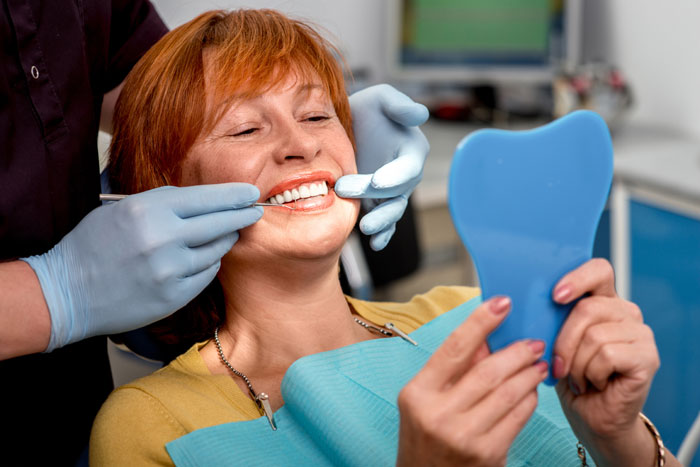
Dental crowns are one of the most common restorative treatments, but they are often misunderstood. Many people assume crowns are only used to fix broken teeth or improve appearance, but they do far more. A well-designed and properly placed crown can strengthen a tooth, restore its function, improve stability, and maintain long-term oral health.
A crown becomes necessary when a tooth can no longer support itself due to decay, fracture, wear, or after procedures like root canal therapy. Without protection, these weakened teeth can deteriorate, affecting comfort and overall dental function.
In a specialty prosthodontic practice, crowns are used not just to repair teeth but to support long-term function, strength, and harmony within the bite.
When and Why a Crown Is Needed
A crown is recommended when a tooth is too damaged for a filling. This may occur because of:
- Long-term wear
- Untreated decay
- A large or failing restoration
- Structural damage caused by infection
These situations weaken the tooth to the point that it can no longer function independently.
Teeth that have undergone root canal treatment are especially fragile. Over time, they become more brittle due to loss of internal hydration. A crown protects the tooth from cracking, splitting, or fracturing.
Crowns may also be needed to:
- Support a dental bridge
- Restore a dental implant
- Reestablish proper alignment within the bite
What Today’s Crowns Are Made Of—and Why It Matters
Today’s crowns are made from advanced materials that offer excellent strength and lifelike appearance. While metal was once common, modern crowns typically use high-performance ceramics such as zirconia and lithium disilicate.
- Lithium disilicate: A strong, translucent glass-ceramic ideal for front teeth and aesthetic restorations.
- Zirconia: Extremely durable and fracture-resistant, making it ideal for molars and high-stress areas.
Material selection depends on:
- Where the tooth is located
- Your bite force
- Aesthetic goals
- Condition of surrounding gum tissue
A prosthodontist evaluates these factors to select a material that ensures optimal strength, fit, and appearance.
What the Crown Process Involves
The process begins with a detailed examination of the tooth, surrounding structures, and bite. The dentist prepares the tooth by removing damaged tissue and shaping it for the crown.
After preparation, an impression or digital scan is taken. Many modern offices use intraoral scanners to create a precise 3D model without traditional impression trays.
A temporary crown protects the tooth while the final crown is fabricated. When the permanent crown is ready, the dentist evaluates its fit, color, and bite before cementing it in place.
What Patients Can Expect from Their Crown
A high-quality crown restores chewing comfort, improves appearance, and supports long-term oral health. With proper care, crowns often last 10 years or more—and many last far longer.
Modern ceramics mimic natural enamel beautifully. Today’s crowns can be layered, shaded, and polished to match your natural teeth under different lighting conditions.
Long-term success depends on good oral hygiene. Brushing, flossing, and regular dental cleanings help prevent decay or gum issues around the crown.
Are There Any Limitations?
Not every tooth can support a crown. If too little structure remains, additional procedures—such as a post-and-core buildup or dental implant—may be required.
Gum disease must also be treated before crown placement. Swollen or bleeding gums can interfere with accurate impressions and crown fit.
Choosing the right crown material matters as well. For example:
- Heavy grinders may require strong monolithic zirconia.
- Front teeth may benefit from layered lithium disilicate for a more natural appearance.
Final Thoughts
A crown is not just a cover—it is a long-term solution that restores health, strength, and beauty to a damaged tooth. When planned and placed by a trained prosthodontist, a crown becomes part of a comprehensive treatment strategy designed to support lasting oral health.
Whether it’s protecting a root-canal-treated tooth, restoring a worn molar, or supporting a full-mouth rehabilitation, crowns play a key role in durable, functional, and aesthetic dentistry.
To find out if a crown is right for you, call (425) 549-4649 to schedule a consultation.
Blog Post Author

Contributed by DentalROI
DentalROI provides relevant dental content to help providers educate patients. The statements, services, and products referenced in this article have not been evaluated by the Food and Drug Administration, and they are not intended as a substitute for professional medical advice, diagnosis, or treatment. Always seek the advice of your dental provider with any questions or issues you may have. Specific recommendations may vary in different circumstances, so individual consultation is important.