
Why Do Dental Implants Fail and What Are the Warning Signs
How common is dental implant failure and why it matters
Okay, so you're thinking about getting dental implants, or maybe you already have them. That's great! They're pretty amazing for replacing missing teeth, feeling natural, and letting you eat whatever you want. Most of the time, they work out perfectly. We're talking success rates that are really high, like over 95% in many studies. That's awesome, right?
But, and there's always a 'but', sometimes things don't go as planned. Dental implant failure, while not super common, does happen. It's not something to freak out about, but it is something to be aware of. Knowing why implants might fail and what to look out for can save you a lot of hassle, money, and potential pain down the road.
Why does it matter if an implant fails? Well, besides the obvious discomfort and the fact that you'd have a gap where your tooth used to be (or where the implant was), a failed implant can sometimes make it harder to try again later. There might be bone loss or infection that needs to be dealt with first. So, catching any issues early is key. It's like with anything important – a little bit of knowledge goes a long way in keeping things running smoothly.
Top Causes of Dental Implant Failure
So, why do dental implants fail? It's not super common, but when it happens, it's usually down to a few main culprits. Understanding these causes of dental implant failure is key to knowing what to watch out for.
Infection, bone loss, and poor osseointegration explained
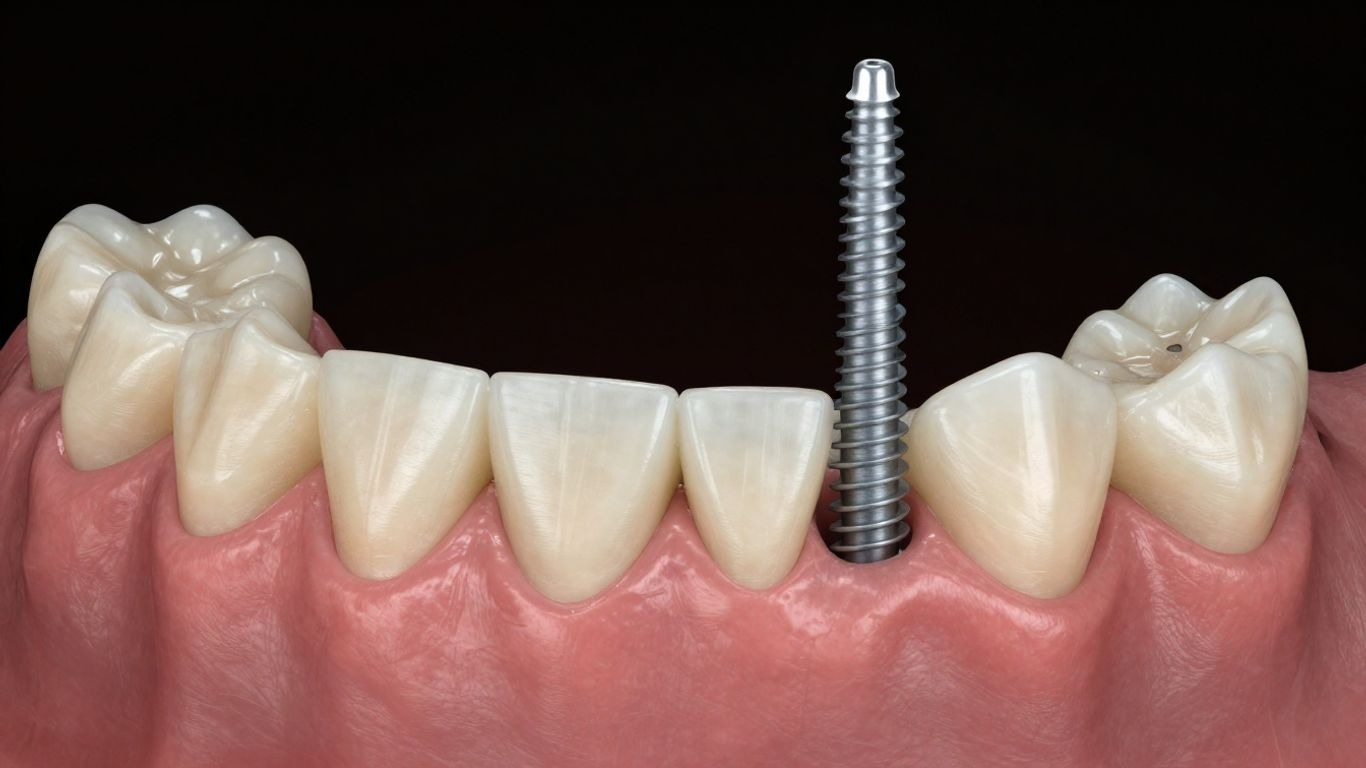
Think of osseointegration as your jawbone giving the implant a big, solid hug. It's the process where your bone actually grows into and fuses with the titanium post. If this doesn't happen right, or if it breaks down later, that's a major problem.
Here are some of the big reasons this hug might not happen or might fall apart:
- Infection: This is a big one, especially early on. If bacteria get into the surgical site and aren't dealt with, they can cause inflammation and stop the bone from fusing. Poor oral hygiene after the implant is in place can also lead to infections, like peri-implantitis (think of it as gum disease for implants).
- Bone Loss: Your jawbone needs to be healthy and strong to support the implant. If you have conditions that weaken your bone, like osteoporosis, or if gum disease eats away at the bone around the implant, it loses its foundation. Dentists can spot bone loss on X-rays, often seeing a dark space where the bone used to be.
- Poor Osseointegration: This is basically when the bone and implant just don't bond well. It can happen if the bone quality isn't great to begin with, if there was too much stress on the implant too soon, or even due to certain medical conditions or medications that affect bone healing.
- Overload/Excessive Bite Force: If you grind your teeth (bruxism) or if the implant isn't positioned quite right, the forces from chewing can put too much stress on the implant. This can cause it to loosen over time, especially if the osseointegration isn't super strong.
- Smoking: This really messes with your body's ability to heal. Smoking reduces blood flow, which is vital for bone to fuse with the implant. It significantly ups the chances of failure.
- Medical Conditions & Medications: Things like uncontrolled diabetes can slow healing. Some medications, like certain ones for depression or bone issues, can also interfere with how well the bone integrates with the implant.
- Surgical Issues: While less common with experienced dentists, things like placing the implant at the wrong angle or depth, or damaging nerves or blood vessels during surgery, can cause problems down the line.
It's important to remember that dental implants have a really high success rate. Most of the time, they work perfectly for years. But knowing these potential issues helps you and your dentist be proactive.
The most common reasons for failure boil down to infection and the implant not properly fusing with the jawbone.
Early Dental Implant Failure Warning Signs to Watch For
So, you've got a shiny new dental implant, and things are generally going well. But what if something starts feeling a bit off? It's super important to know the early dental implant failure warning signs. Catching these issues early can make a huge difference in whether your implant can be saved or if it needs to be replaced down the line. Think of it like noticing a small leak in your roof – you fix it before the whole ceiling caves in, right?
Signs a Dental Implant is Failing Soon After Surgery
Most of the time, dental implants are pretty solid. But sometimes, especially in the first few months after surgery while everything is still healing and integrating, things can go sideways. If you're experiencing any of these, it's time to give your dentist a call:
- Persistent or Worsening Pain: A little soreness right after the procedure is totally normal. But if the pain doesn't ease up after a week or two, or if it actually gets worse, that's a red flag. This could mean there's an infection brewing or the implant isn't settling into the bone like it should.
- Swelling and Redness: While some initial swelling is expected, if the area around your implant stays puffy, looks really red, or feels hot to the touch, it could be a sign of infection. You might even notice some pus draining from the site.
- Implant Looseness or Movement: This is a big one. If you feel like your implant is wobbly, loose, or if the crown attached to it shifts or feels unstable, don't ignore it. This often means the implant hasn't properly fused with your jawbone.
- Gum Recession: You might notice your gums pulling away from the implant. Sometimes, this can even expose the metal post of the implant. It might look a bit darker or just different from the surrounding gum tissue.
- Difficulty Chewing: If you're finding it painful or difficult to bite down or chew food with your implant, even after the initial healing period, it's worth getting checked out.
It's easy to brush off some discomfort as just part of the healing process. But if you're noticing any of these signs, especially a combination of them, it's your body telling you something isn't right. Don't wait for it to get worse; contact your dentist as soon as possible.
Here's a quick rundown of what to look out for:
- Pain that doesn't go away or gets worse
- Swelling, redness, or pus around the implant
- A feeling of looseness or movement in the implant or crown
- Gums receding from the implant
- Trouble chewing or biting down
Late Dental Implant Complications and Failure Reasons
So, your dental implant has been in for a while, and you thought you were in the clear. That's great! But sometimes, problems can pop up down the road, even years after the implant surgery. These are what we call late dental implant complications and failure reasons. It's not super common, but it's good to know what to look out for.
One of the biggies here is something called peri-implantitis. Think of it like gum disease, but around your implant instead of your natural teeth. Bacteria can build up, causing inflammation and eventually bone loss. If left unchecked, this can totally mess with the stability of your implant.
Long-Term Symptoms That Mean Your Implant May Be Failing
What does a failing implant actually look like months or years later? Keep an eye out for these signs:
- Persistent pain or discomfort: A little soreness right after surgery is normal, but ongoing or worsening pain is a red flag.
- Swelling or redness: If the gums around your implant look puffy, red, or feel tender, it could be a sign of infection or inflammation.
- Bleeding: Gums that bleed easily when you brush or floss near the implant are not happy gums.
- Implant feels loose: This is a major warning sign. If your implant or the crown on top feels wobbly or moves at all, you need to see your dentist ASAP.
- Pus or discharge: Any sign of pus or a bad taste coming from the implant site is a clear indicator of infection.
- Gum recession: If your gums seem to be pulling away from the implant, exposing more of the metal post, that's not a good sign.
Sometimes, issues with how your jawbone integrated with the implant initially can cause problems later on. If the bone didn't fuse properly, or if something happens to break that bond, the implant can become unstable. Things like excessive force from grinding your teeth (bruxism) or even certain medical conditions or medications that affect bone health can play a role in late failures.
It's important to remember that dental implants are designed to be a long-term solution. While complications can occur, they are not the norm. Regular check-ups with your dentist are key to catching any potential issues early before they become serious problems.
Here's a quick rundown of common late-stage culprits:
- Peri-implantitis: The infection we talked about, similar to gum disease.
- Excessive bite forces: Grinding or clenching your teeth can put too much stress on the implant over time.
- Bone loss: This can happen due to infection or if the initial bone quality wasn't ideal.
- Mechanical complications: Things like a loose abutment or screw, though less common, can happen.
How to Prevent and Fix a Failing Dental Implant
Okay, so what do you do if you think your dental implant is going south? First off, don't panic. Most of the time, things can be fixed, especially if you catch them early. The absolute best thing you can do is call your dentist the second you notice something feels off. Seriously, don't wait around hoping it'll get better on its own. That usually just makes things worse and harder to fix.
So, what kind of stuff should make you pick up the phone?
- Pain that's getting worse instead of better: A little soreness right after surgery is normal, but if it ramps up or just won't quit, that's a red flag.
- Swelling that sticks around or gets bigger: Some puffiness is expected initially, but if it's still there after a few days or looks worse, get it checked.
- Anything feeling loose or wiggly: Your implant shouldn't move. If the crown feels loose or the whole thing seems unstable, that's a big deal.
- Red, angry-looking gums or any pus: This screams infection. You might see discharge or notice the gums around the implant look inflamed.
- Difficulty chewing or speaking that doesn't go away: Your implant should feel and function like a natural tooth. If it's messing with your bite or your speech, something's not right.
If your dentist finds a problem, the fix really depends on what's going on. For early infections, a good deep cleaning around the implant, maybe some antibiotics, and really stepping up your home care game might do the trick. Sometimes, it's just a loose crown or abutment that needs tightening or replacing. If gum recession is the issue, a gum graft could help restore things.
If an implant has failed completely, meaning it's loose and the bone around it is damaged, it might need to be removed. The good news is that once the infection or problem is cleared up, you can often get a new implant placed. It might involve some bone grafting first to make sure the new one has a solid foundation.
Preventing problems in the first place is way easier than fixing them, though. That means:
- Superb Home Care: Brush and floss like your life depends on it, paying special attention to the area around your implant. Use interdental brushes if your dentist recommends them.
- Regular Dental Check-ups: Don't skip your appointments! Your dentist can spot issues on X-rays or during a visual exam long before you might notice them yourself.
- Healthy Lifestyle Choices: If you smoke, quitting is one of the best things you can do for implant longevity. Eating well and managing any health conditions like diabetes also play a role.
So, What's the Takeaway?
Look, dental implants are pretty amazing, and most of the time, they work out great for years. But like anything, things can sometimes go sideways. The good news is, if you know what to watch out for – like persistent pain, swelling, or a wiggly implant – and you don't ignore it, you can usually catch problems early. A quick call to your dentist is way better than waiting until it's a bigger mess. Keeping up with brushing, flossing, and those regular check-ups really does make a difference in keeping your implant happy and healthy. It’s all about being aware and taking action if something feels off.
Frequently Asked Questions
How often do dental implants fail?
Dental implants are very successful, with success rates usually over 95%. This means failures are quite rare. Most of the time, they work great for many years. But, like any medical procedure, there's a small chance things might not go as planned.
What are the first signs that my dental implant might be failing?
The first signs often include pain that doesn't go away or gets worse after the initial healing period. You might also notice swelling, redness, or bleeding around the implant site. If the implant feels loose or wobbly when you touch it or try to chew, that's a big warning sign too.
Can I see if my dental implant is failing?
Sometimes you can see signs, like gums looking red or swollen, or even pulling away from the implant. You might notice more of the metal post showing. However, some serious issues, like bone loss, can't be seen with the naked eye and are usually found during a dental check-up with X-rays.
What causes dental implants to fail?
Failures can happen for a few reasons. Early on, it might be because the bone didn't fuse properly with the implant, or an infection set in. Later on, problems like gum disease around the implant (called peri-implantitis), too much force on the implant, or poor oral hygiene can cause it to fail.
What should I do if I think my dental implant is failing?
If you suspect a problem, don't wait! Contact your dentist or oral surgeon right away. They will check the implant, take X-rays, and figure out what's going on. Catching problems early gives you the best chance to fix them, possibly saving the implant.
Can a failing dental implant be fixed?
Often, yes! If caught early, many failing implants can be treated. This might involve cleaning the area thoroughly, using antibiotics for infections, or adjusting the implant. In some cases, if the bone loss is severe, the implant might need to be removed and replaced later.
Blog Post Author

Contributed by DentalROI
DentalROI provides relevant dental content to help providers educate patients. The statements, services, and products referenced in this article have not been evaluated by the Food and Drug Administration, and they are not intended as a substitute for professional medical advice, diagnosis, or treatment. Always seek the advice of your dental provider with any questions or issues you may have. Specific recommendations may vary in different circumstances, so individual consultation is important.