 (425) 549-4649
Understanding Dental Implants
Contributed by DentalROIMissing teeth can make it difficult to chew food, speak clearly, and feel confident about your smile. Dental implants offer a strong, natural-looking solution to replace missing teeth.
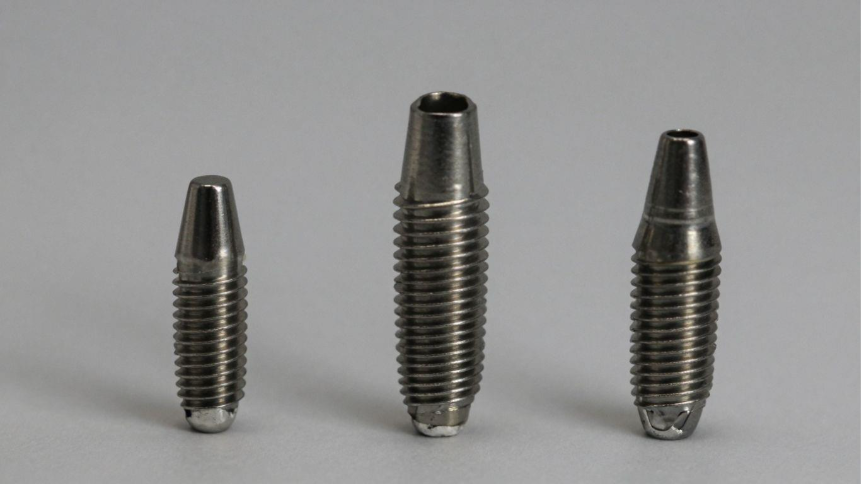
Missing teeth can make it difficult to chew food, speak clearly, and feel confident about your smile. Dental implants offer a strong, natural-looking solution to replace missing teeth.

Losing teeth affects far more than appearance. Chewing, speaking, and even smiling become difficult without natural teeth. While dental implants have transformed restorative dentistry, millions of people still rely on dentures. Today’s dentures are not simple replacements; they are carefully planned prosthetic systems built using advanced materials and designed to restore facial harmony and oral function.
More than 36 million Americans are fully edentulous, and 120 million are missing at least one tooth. Tooth loss does not mark the end of oral health—it marks the beginning of a personalized treatment plan that considers health, lifestyle, and long-term well-being.
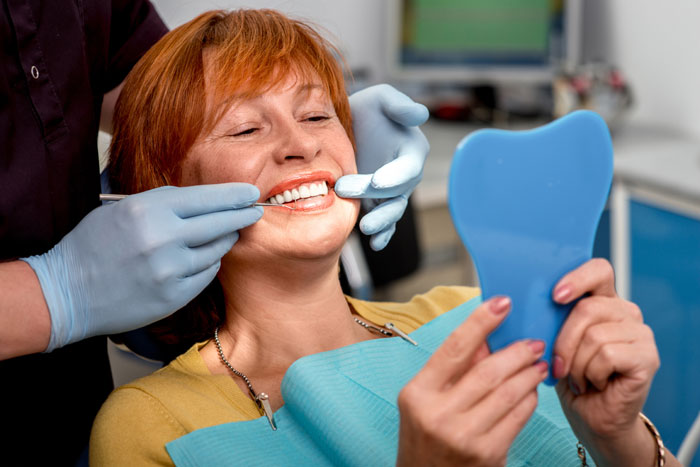
Dental crowns are one of the most common restorative treatments, but they are often misunderstood. Many people assume crowns are only used to fix broken teeth or improve appearance, but they do far more. A well-designed and properly placed crown can strengthen a tooth, restore its function, improve stability, and maintain long-term oral health.
A crown becomes necessary when a tooth can no longer support itself due to decay, fracture, wear, or after procedures like root canal therapy. Without protection, these weakened teeth can deteriorate, affecting comfort and overall dental function.
In a specialty prosthodontic practice, crowns are used not just to repair teeth but to support long-term function, strength, and harmony within the bite.

The absence of a tooth can feel minor at first, but left untreated, it can cause more than aesthetic issues. Teeth shift, chewing becomes uneven, and the bone beneath the lost tooth slowly recedes. Over time, these changes affect how a person talks, chews, smiles, and even the overall shape of the face. A carefully planned dental bridge stabilizes the surrounding teeth, restores the bite, and brings the smile back to full form. At Washington State Prosthodontics, every bridge is customized to fit the patient’s unique anatomy, health, and long-term goals.
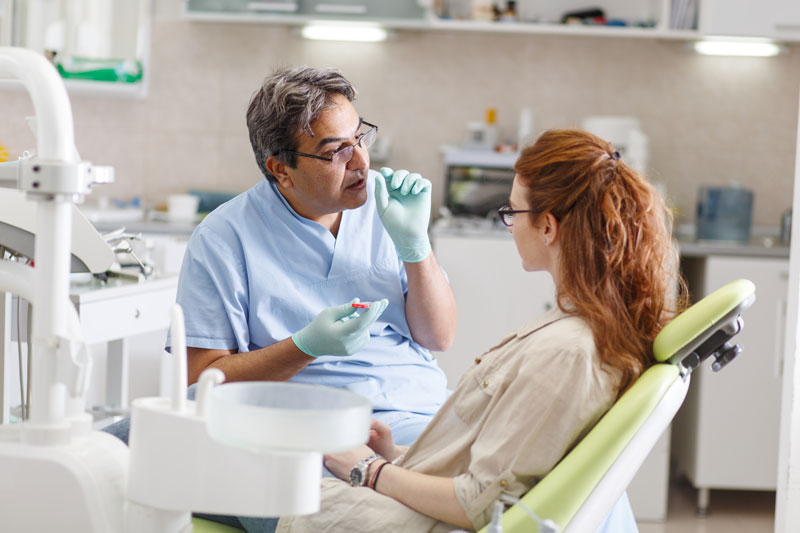
It's not just a dental problem when you lose a tooth due to decay, trauma, or chronic gum disease. Tooth loss changes how you feel, speak, eat, and even affects the shape of your face over time. Behind the empty space, the jawbone quietly shrinks, and adjacent teeth may shift, worsening the problem. Modern implant dentistry addresses this by restoring the foundation where the tooth used to be. A dental implant functions like a natural root, holding the tooth in place and helping maintain healthy bone for long-term oral health.
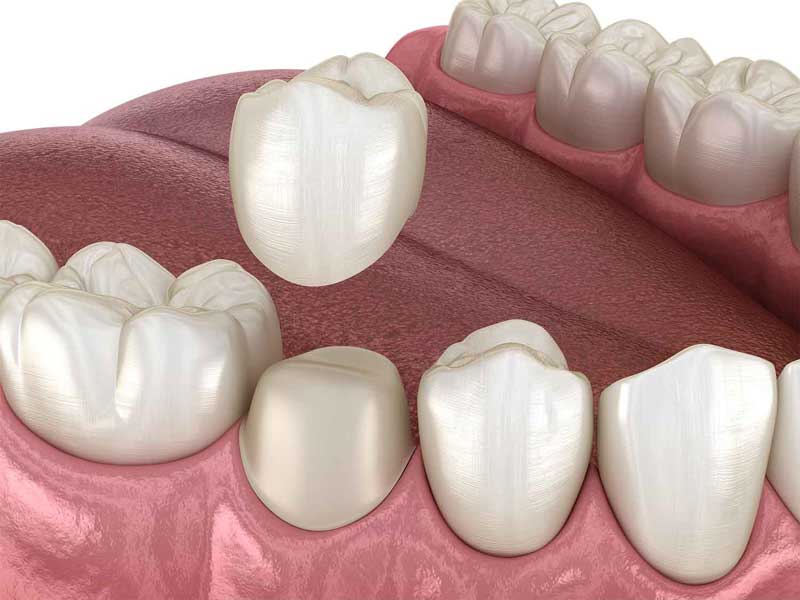
You already know how good it feels to have a dental crown put on. Your tooth feels stronger, it's easier to chew, and your smile looks complete again. But crowns don’t last forever without care. Think of them as an investment — with the right care, a crown can stay in great shape for more than ten years. Without care, it might fail much sooner.
This article covers how to keep your dental crown in good shape, including brushing, foods to avoid, and common mistakes to prevent.
Losing a tooth can be difficult. It may affect how you smile, eat, speak, and even how confident you feel in social settings. Thankfully, modern dentistry offers reliable solutions to replace missing teeth. Two of the most common options are dental implants and bridges.
Many people wonder, "Should I get an implant or a bridge?" Both work effectively, but the right choice depends on your oral health, long-term goals, and lifestyle. Let’s look at how these options work, their pros and cons, and factors to consider before making a decision.

Missing teeth can change more than just how you look. They can also change how you eat, talk, and feel about yourself. Dental implants can radically change your smile, whether you have one gap or several. They are a long-term, natural-looking option.
But how do implants really work? Are they a good fit for you? Let's go over everything you need to know in plain language.

You're not the only one who's thought about getting new dentures or replacing an old pair. Every year, millions of people think about getting dentures to make their smile look better, make it easier to eat, and feel better about themselves in general. But with so many options, how do you know which denture treatment is best for you?
Let's break it down.
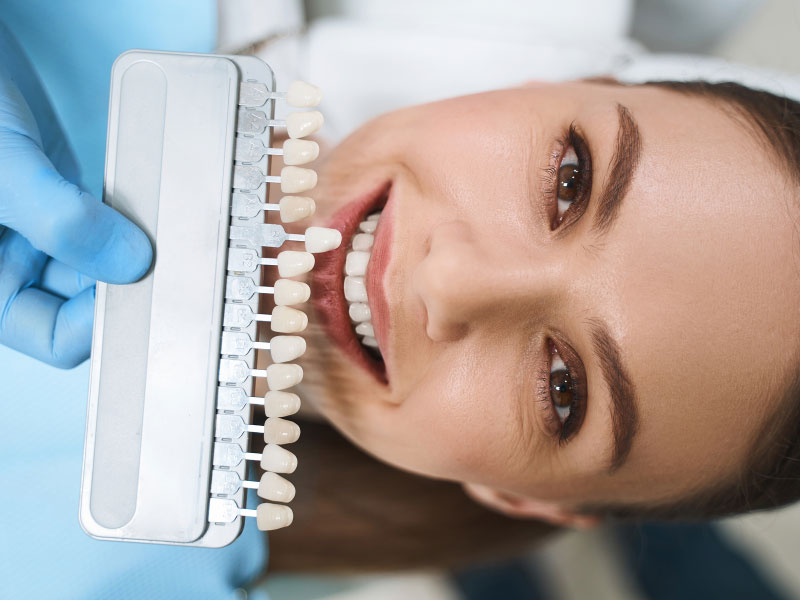
Do you find yourself hiding your smile in photos or avoiding social interactions due to chipped, stained, or uneven teeth? You're not alone—and you don't need to settle. At Washington State Prosthodontics and Dental Implant Center in Bellevue, WA, we believe that a radiant smile should be accessible without lengthy, invasive procedures. Our expert prosthodontist in Bellevue offers veneers as a solution that’s both minimally invasive and life changing.